
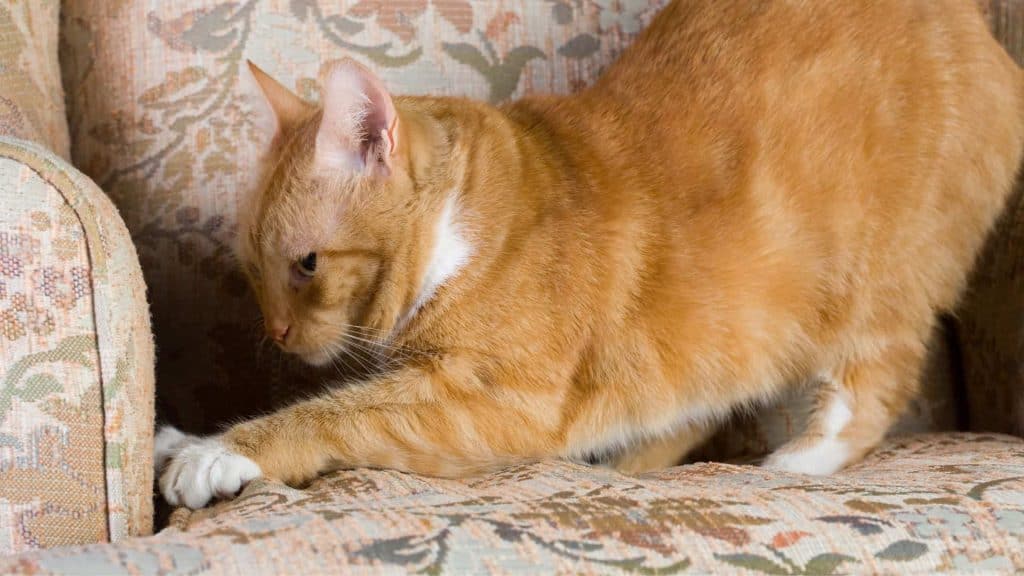
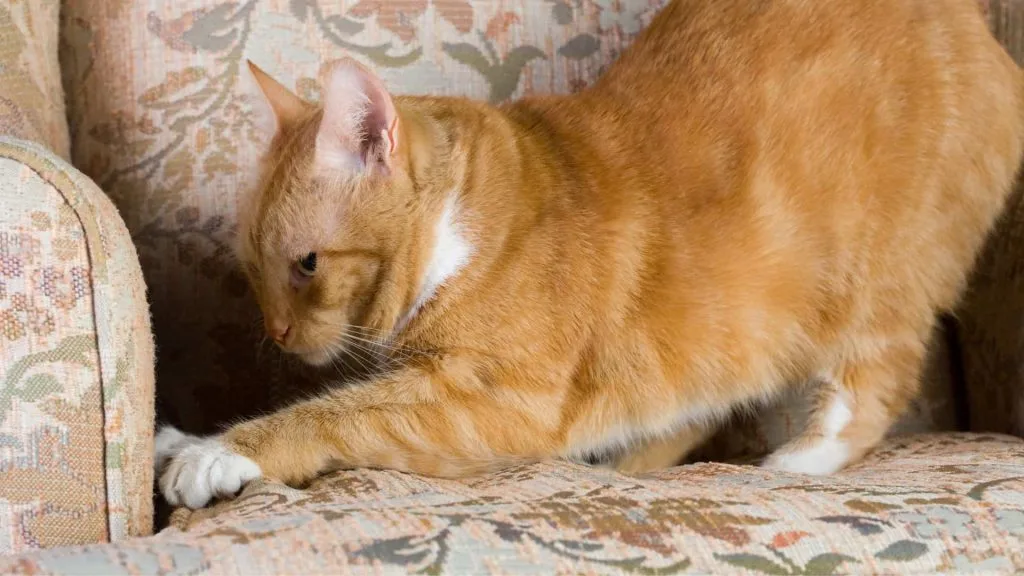
If you’ve ever found your favorite armchair frayed at the corners or noticed small claw marks along the side of your sofa, you’re certainly not alone.
Many cat owners feel frustrated when their gentle, affectionate companion suddenly turns into a tiny furniture-destroying machine.
Even so, scratching is far from random mischief. There is real purpose behind this behavior, and once you understand the “why,” it becomes much easier to protect both your home and your cat’s well-being.
Before trying to redirect or reduce scratching, it helps to recognize that this habit is rooted in natural instincts.
Cats aren’t trying to upset you or misbehave — they’re simply following behaviors that have kept their species healthy, agile, and emotionally balanced for generations. With the right tools and a little knowledge, you can create harmony between your cat’s needs and your household’s comfort.
Below, you’ll find an expert-inspired breakdown of the major reasons cats scratch, plus practical tips to help you guide that behavior in a positive direction.
Why Scratching Matters More Than You Might Realize
Scratching can feel like a nuisance, but for cats, it’s an important daily activity. Their claws grow continuously, their bodies thrive on movement, and their emotions stay healthier when they can express themselves freely.
When owners understand these motivations, they’re better equipped to choose helpful resources such as scratching posts, enrichment toys, or calming strategies.
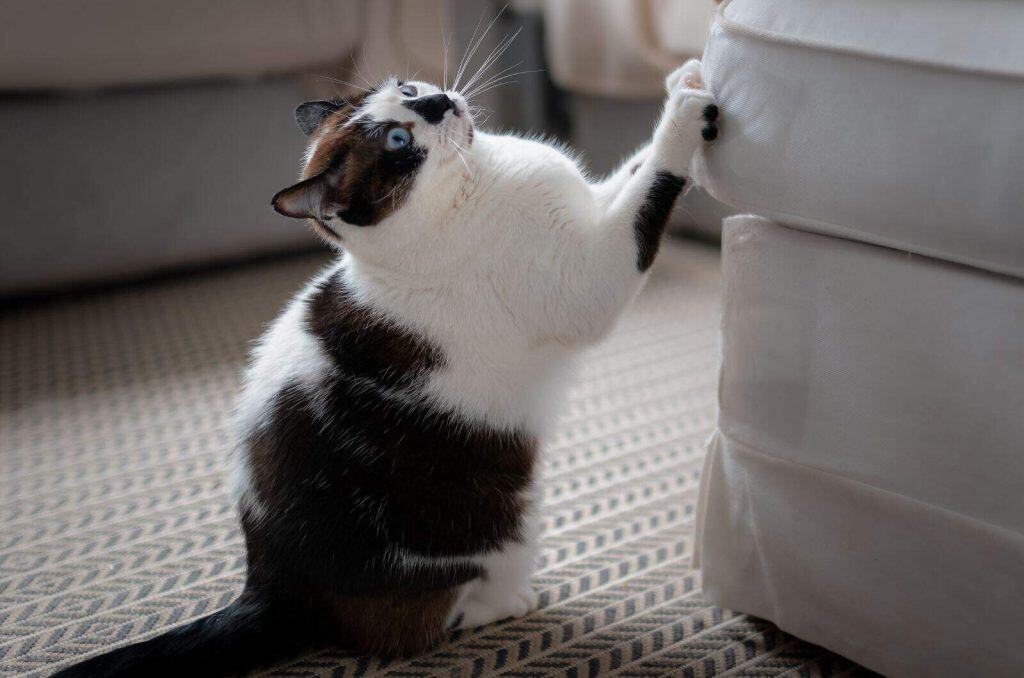
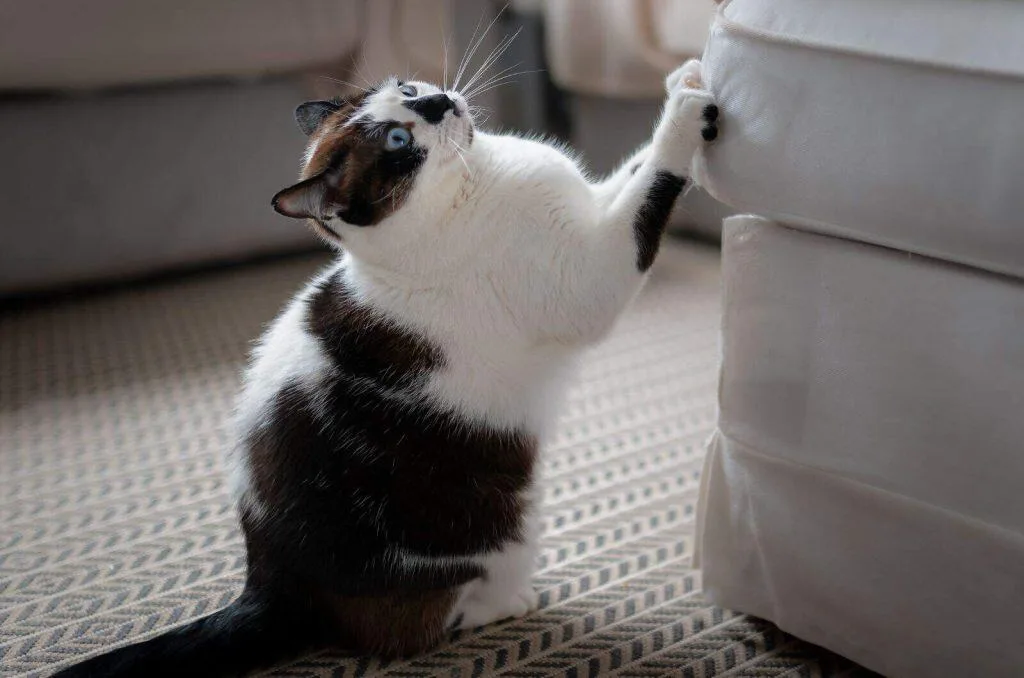
Animal behavior specialist Amanda Campion notes that scratching is one of the most natural and essential behaviors cats perform. What looks like destruction is actually a combination of grooming, stretching, emotional expression, and communication.
Let’s take a closer look at the science behind this behavior.
Cats Scratch To Maintain Sharp, Healthy Claws
In nature, a cat’s claws are vital tools. Whether climbing a tree, defending themselves, or catching prey, cats rely heavily on their claw strength. Even though our household pets live comfortable indoor lives, their bodies still follow the same instinctive patterns.
Unlike humans, who trim nails using clippers, cats remove the older, dull outer layers of their claws through scratching.
As they drag their paws down a surface, the worn layers peel away, exposing a new, sharper claw underneath.
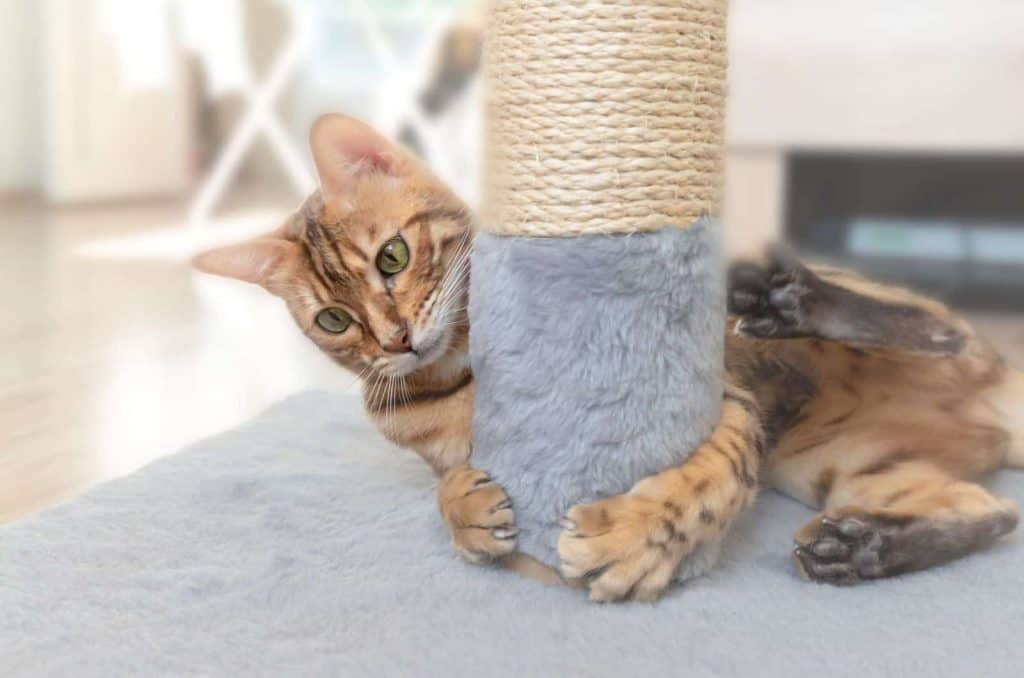
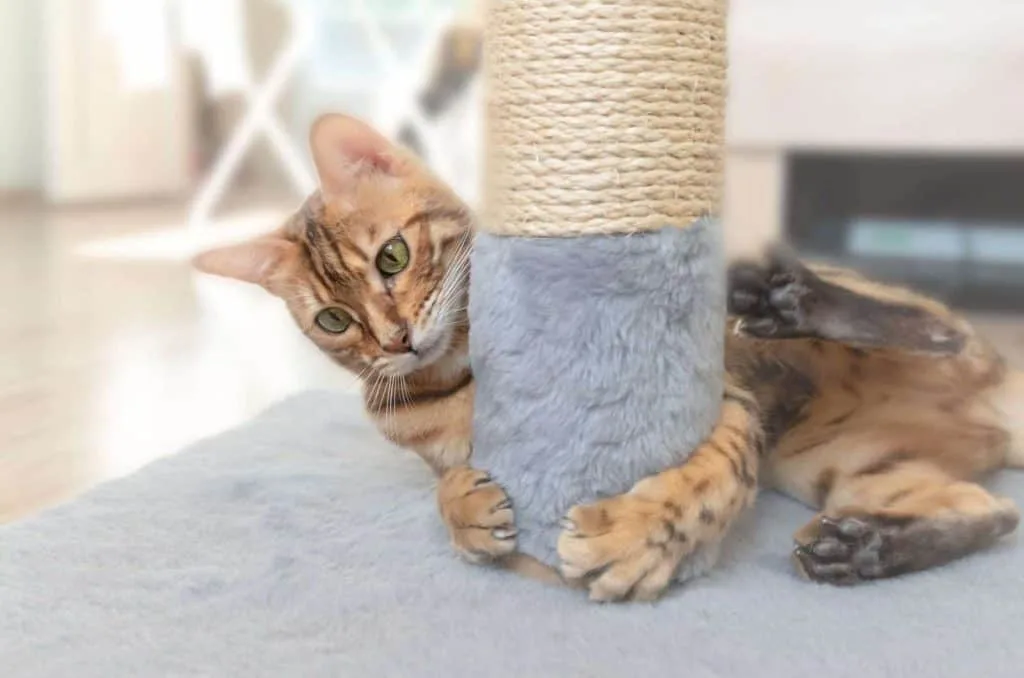
This process keeps each claw in good condition, helps prevent cracking, and allows cats to walk and grip comfortably.
When indoor cats don’t have proper outlets for this natural grooming routine, they simply look for alternatives. Unfortunately, sofas, carpeted stairs, and wooden table legs often become their chosen tools.
The best solution is to provide durable scratching surfaces — vertical posts, horizontal scratchers, or sisal-covered boards — placed near areas where your cat already likes to rest or play.
Scratching Helps Stretch And Strengthen Muscles
Cats may look relaxed while lounging in sunny windows, but their bodies are built for movement. Flexibility, balance, and strength all play a role in keeping them healthy as they age.
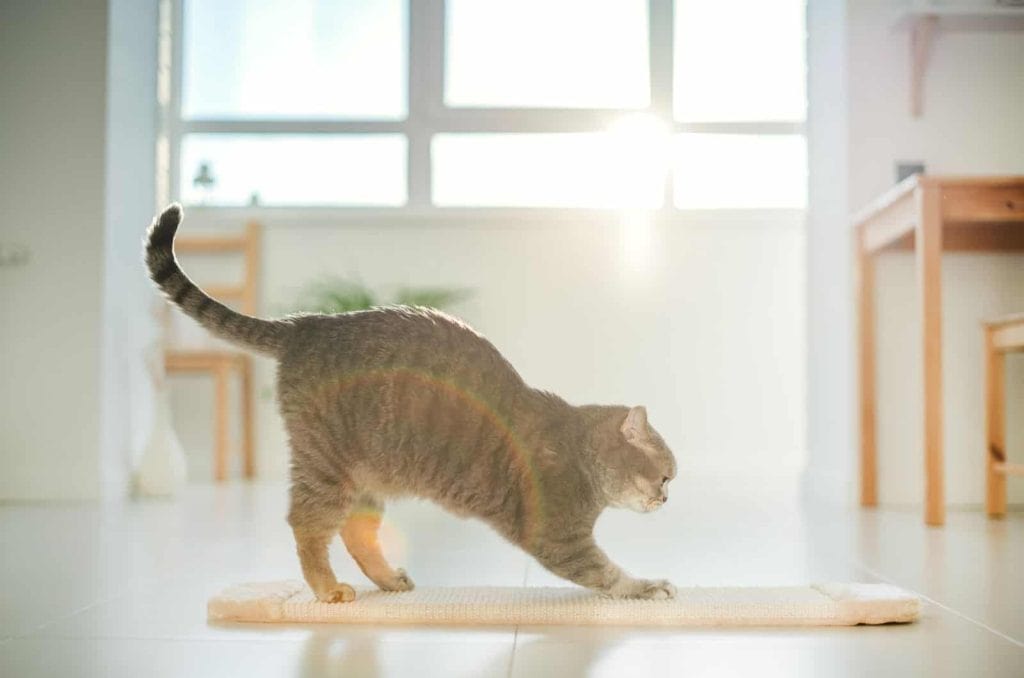
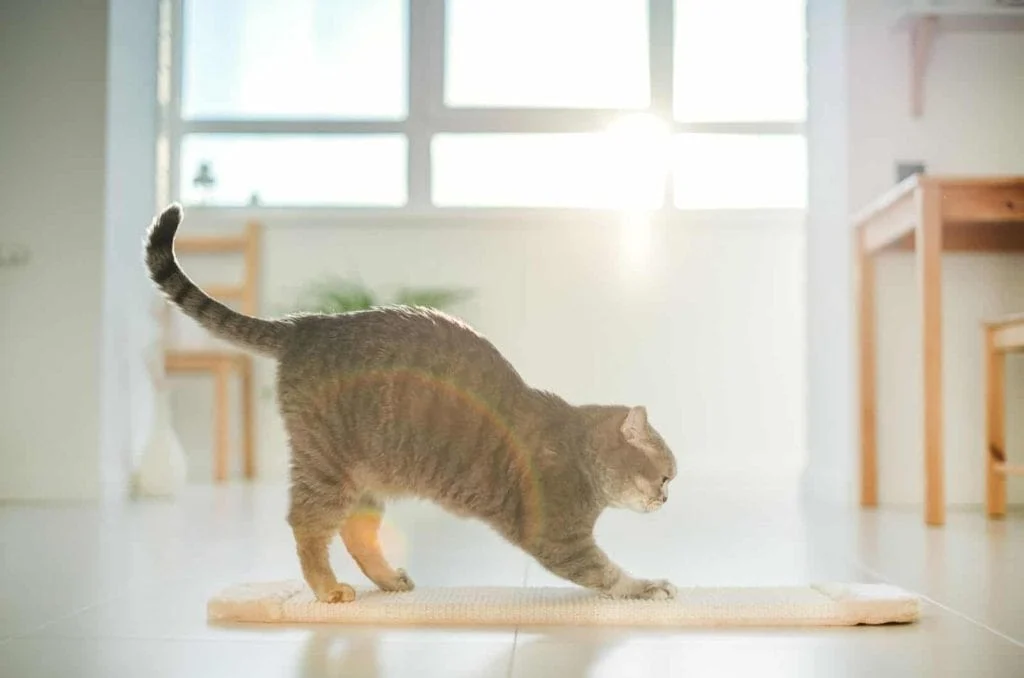
Scratching contributes to this by giving them a full-body stretch.
When a cat digs its claws into a surface and pulls downward, several muscle groups are engaged:
- shoulders
- chest
- abdomen
- back
- hind legs
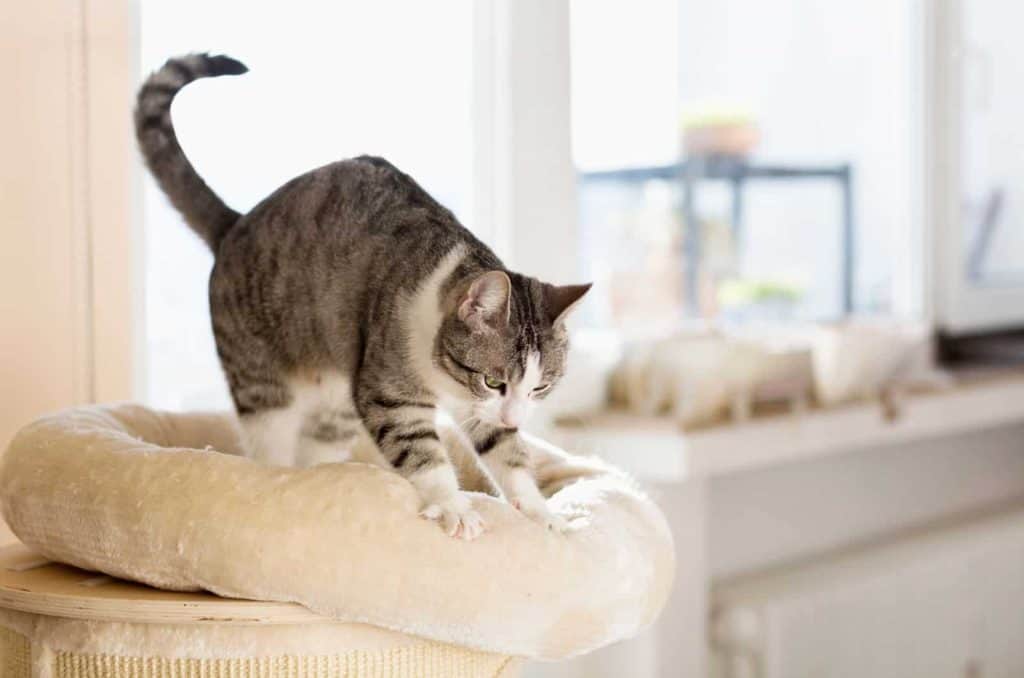
This gentle workout promotes muscle tone and keeps joints flexible. Older cats, in particular, benefit from this activity. It encourages circulation, supports mobility, and helps prevent stiffness.
You might notice your cat waking from a nap, walking directly to a scratching post, and stretching luxuriously before beginning their day.
That’s no coincidence — scratching prepares their body just as a morning stretch helps people feel limber.
If you want to complement this natural exercise, you can introduce simple enrichment activities such as wand toys, puzzle feeders, or gentle play sessions suited to your cat’s age and comfort level.
Scratching Helps Cats Cope With Stress And Feel Emotionally Balanced
Cats may appear independent, but they experience stress more often than people realize.
A change in routine, new noises, unfamiliar visitors, or even boredom can cause tension. Scratching serves as an emotional release, helping cats manage that stress in a healthy way.
As they scratch, their brains produce endorphins — natural chemicals that promote relaxation and comfort. This is comparable to the relief humans often feel after exercising or taking a deep breath during a tense moment.
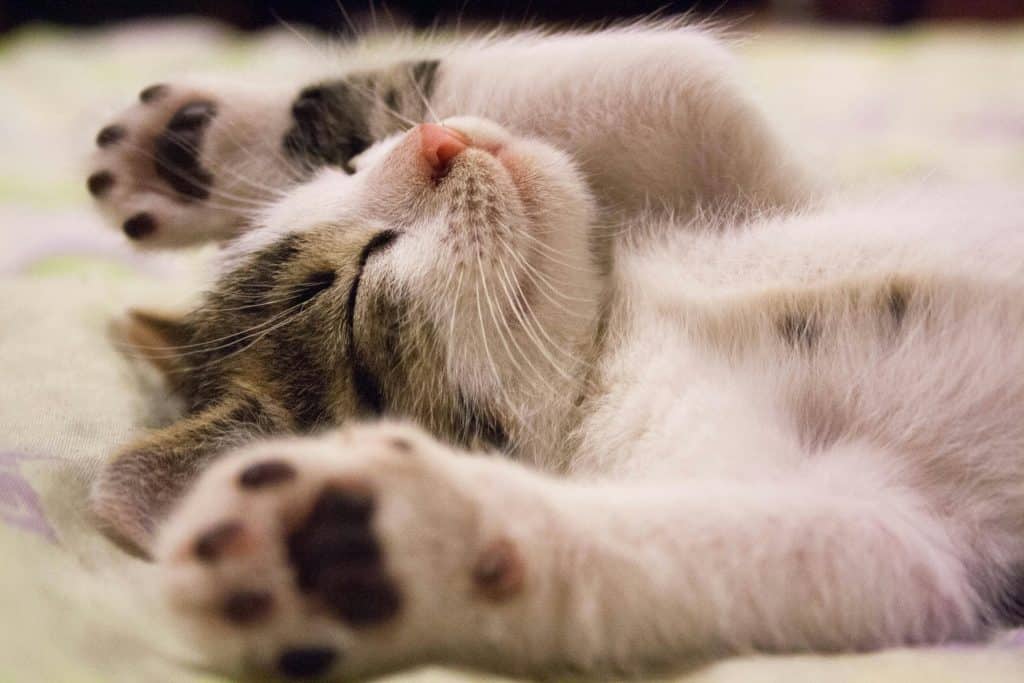
If your cat begins scratching excessively, it may be a sign that something in their environment feels unsettling. Identifying triggers can help. Consider whether your cat experienced:
- a recent household change
- a new pet or visitor
- reduced playtime
- less attention than usual
- unfamiliar scents from outside
Providing extra enrichment, predictable routines, or calming tools like pheromone diffusers can make a big difference.
Scratching Allows Cats To Mark Territory
To humans, the marks left behind from scratching look like simple damage. To cats, those marks tell a story. Scratching is one of the ways cats communicate with other animals — even if those animals never appear inside your home.
Cats have scent glands in their paw pads. When they scratch a surface, they deposit a subtle scent marker alongside the visual scratch marks.
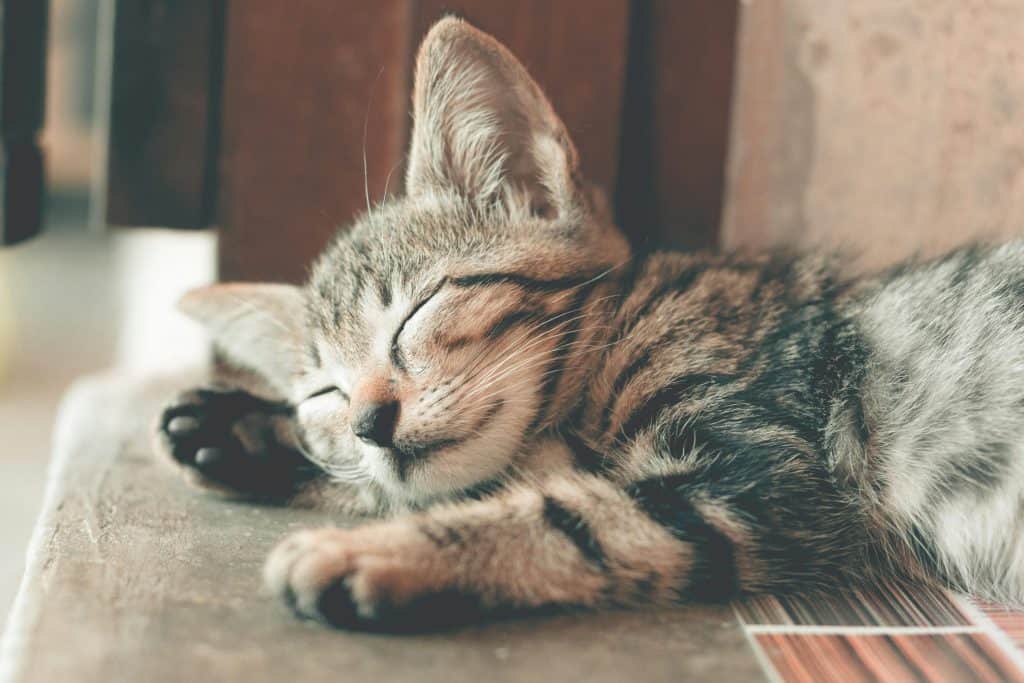
That combination signals, “This space is mine. I feel safe here.” Even indoor-only cats rely heavily on scent-based communication because it helps them feel secure in their surroundings.
For this reason, cats prefer scratching objects that are sturdy, noticeable, and located in areas they frequent.
Instead of tucking scratching posts in corners where no one ever walks, try placing them near your sofa, by a window, or along your cat’s favorite walkway. When the scratching post becomes part of their territory, they’re far more likely to use it willingly.
Practical Tips For Protecting Your Home
Understanding your cat’s motivations is only half of the solution. The next step is to offer better alternatives and set your home up for success:
Choose The Right Scratching Post
Cats have preferences. Some like tall vertical posts; others prefer wide horizontal boards. Many enjoy rough, fibrous textures like sisal. Offering more than one option increases the likelihood of success.
Place Scratchers In Smart Locations
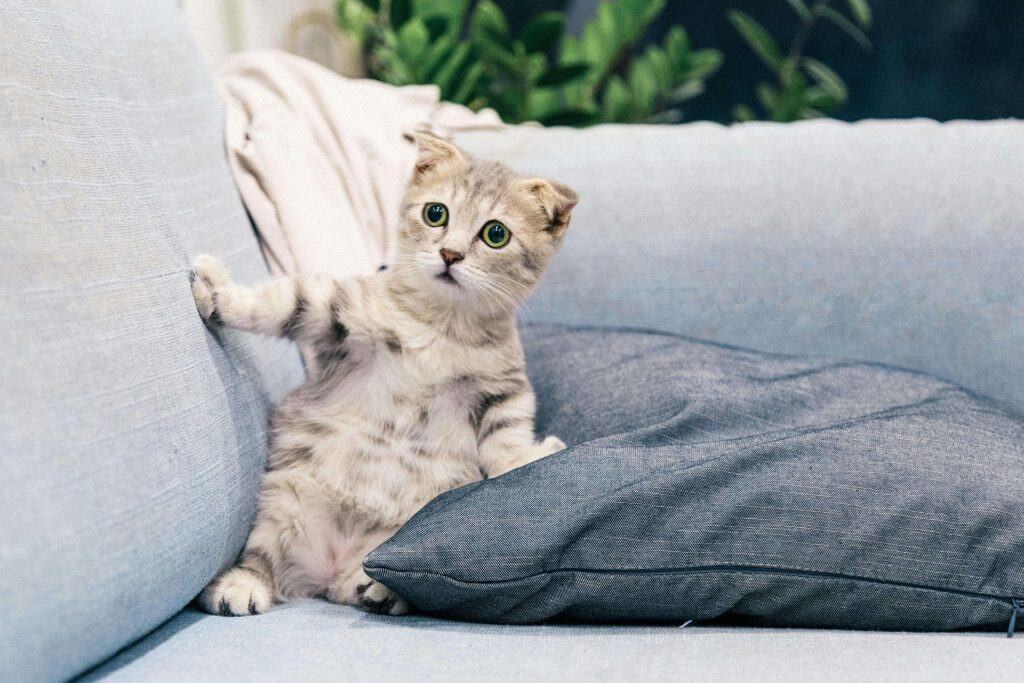
If your cat always scratches the arm of your sofa, place a post directly beside it. Cats scratch where they spend time, not in out-of-the-way corners.
Reward Good Choices
Praise, treats, or gentle affection can reinforce the habit of choosing scratchers instead of furniture.
Protect Vulnerable Furniture
Temporary covers, double-sided tape, or furniture guards can discourage unwanted scratching while your cat adapts to new habits.
Scratching Isn’t Bad — It’s Communication
Once you understand what motivates your cat to scratch, the behavior becomes far less frustrating. Scratching keeps their claws healthy, gives their muscles a much-needed stretch, reduces stress, and allows them to communicate in ways they instinctively understand.
By offering appropriate outlets and supporting your cat’s natural needs, you can enjoy a peaceful home — and intact furniture — without asking your cat to suppress behaviors essential to their overall well-being.
With a little patience and the right tools, every cat can learn where to scratch while staying happy, healthy, and emotionally secure.

I’m Chris, a lifelong cat lover and rescue advocate based in Austin, Texas. What started with one scruffy shelter cat ten years ago turned into a mission — sharing the stories of cats who got their second chance. I believe every rescue cat has a tale worth telling, and I’m here to tell them. When I’m not writing, I’m probably being ignored by my own three rescues