
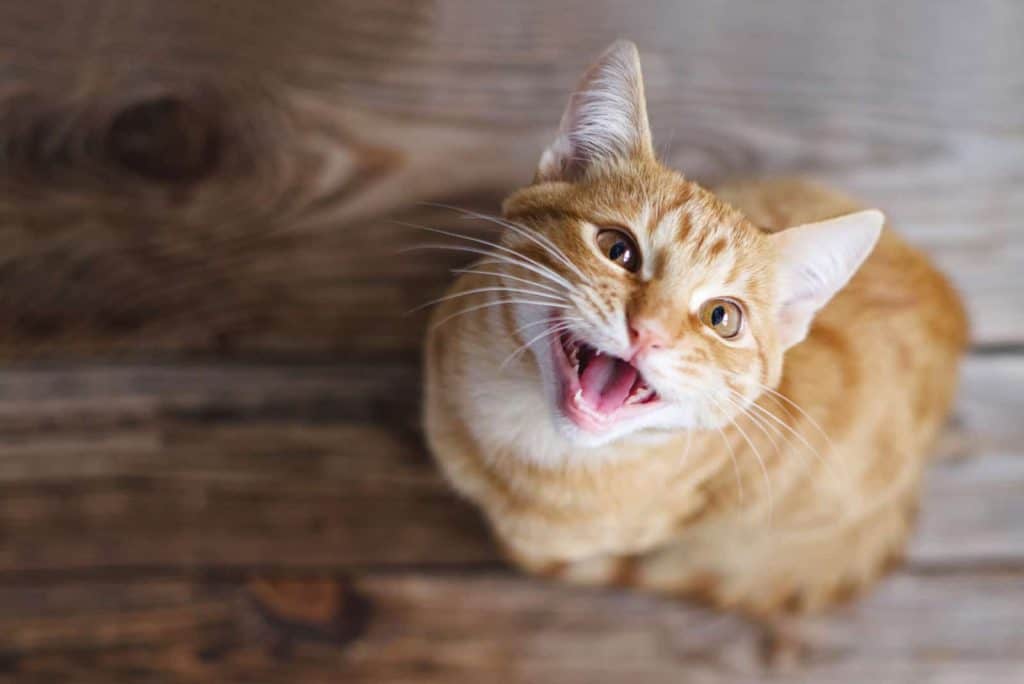
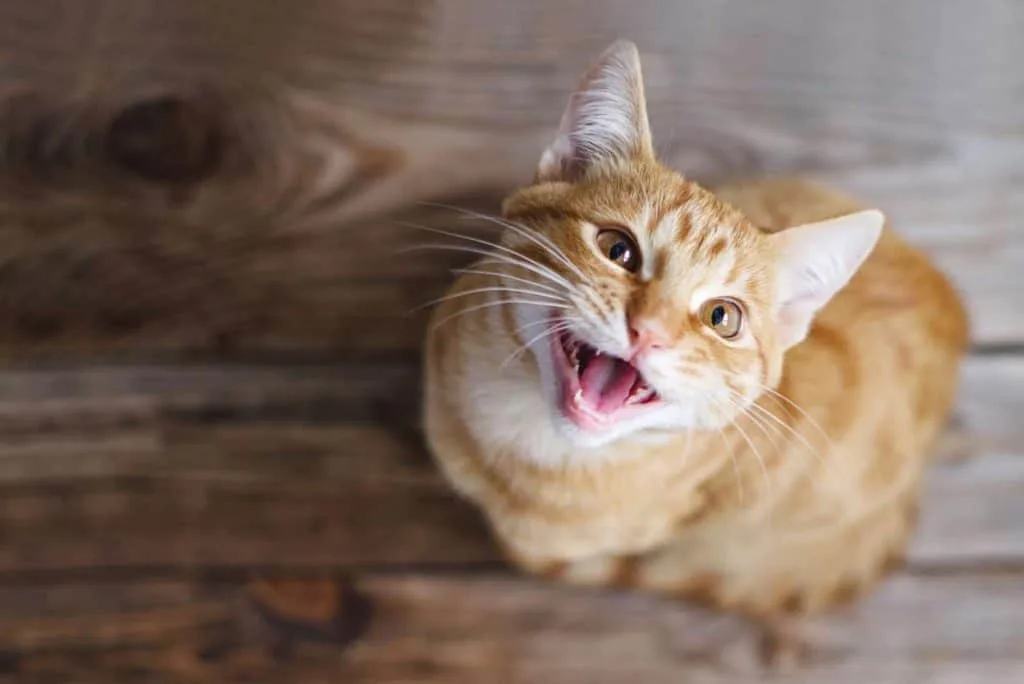
Many of us treasure the moment our cats greet us at the door. A soft purr, a gentle rub against the leg, or a sweet meow can feel like a warm welcome after a long day. These behaviors seem simple, yet they can have many meanings.
Cats rub to leave scent markers, signal affection, or ask for something they need.
They meow for attention, comfort, and communication. In some cases, though, these actions may point to issues that deserve more attention.
This guide walks you through the 10 most common reasons behind meowing and rubbing, helping you understand what your cat may be trying to tell you.
1. Your Cat May Be In Heat
Female cats who are not spayed often show dramatic behavior during their heat cycles. A young cat can enter her first cycle as early as four months old, and each cycle lasts several days. During this time, she may become significantly more vocal and affectionate.
The body language is often unmistakable. Many cats assume a mating posture, arching their backs and lifting their hindquarters.
Others become restless and attempt to slip outdoors. Some will groom more than usual as their bodies prepare for reproduction.
If breeding isn’t your goal, spaying prevents these heat cycles and the behaviors that come with them. It also protects your cat’s long-term health and prevents accidental litters.
2. Your Cat Really Did Miss You
Coming home to an eager feline greeting is one of life’s quiet joys.
Cats often express happiness by rubbing against you, meowing softly, and weaving between your legs. These gestures are their way of saying they are glad you’re home.

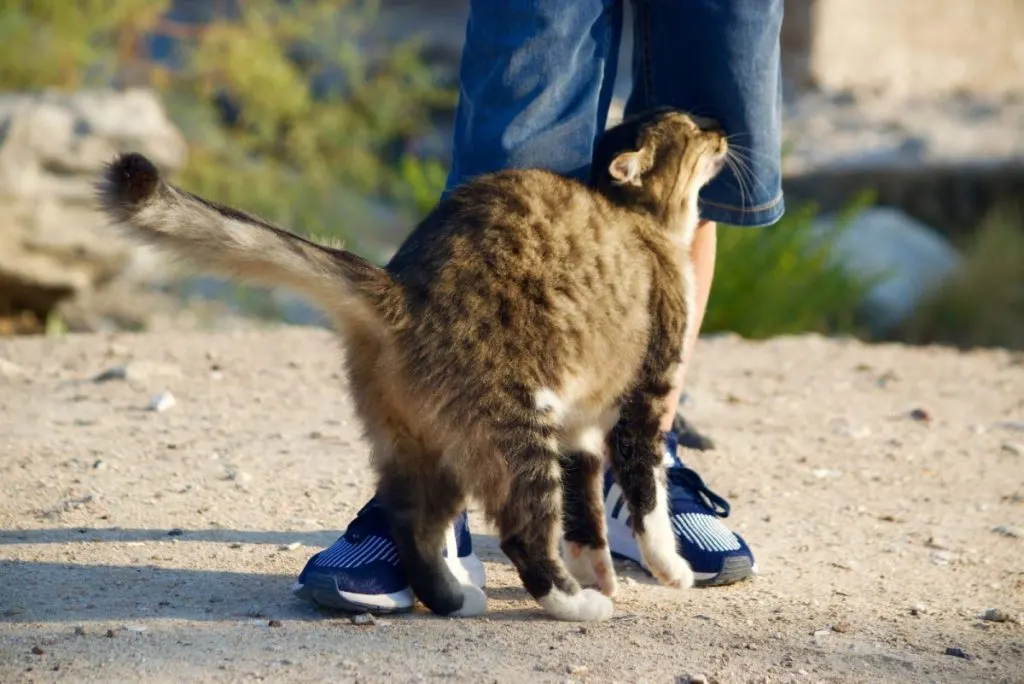
Unlike dogs who may leap into your arms, cats display affection in smaller, subtle ways. Their purrs, leg rubs, and gentle meows show connection and comfort.
When you see these behaviors, you can be confident that your presence matters deeply to your cat.
3. Territory Marking Is A Natural Instinct
Cats communicate heavily through scent. Specialized glands on their cheeks, paws, flanks, foreheads, and tails release pheromones each time they rub against an object.
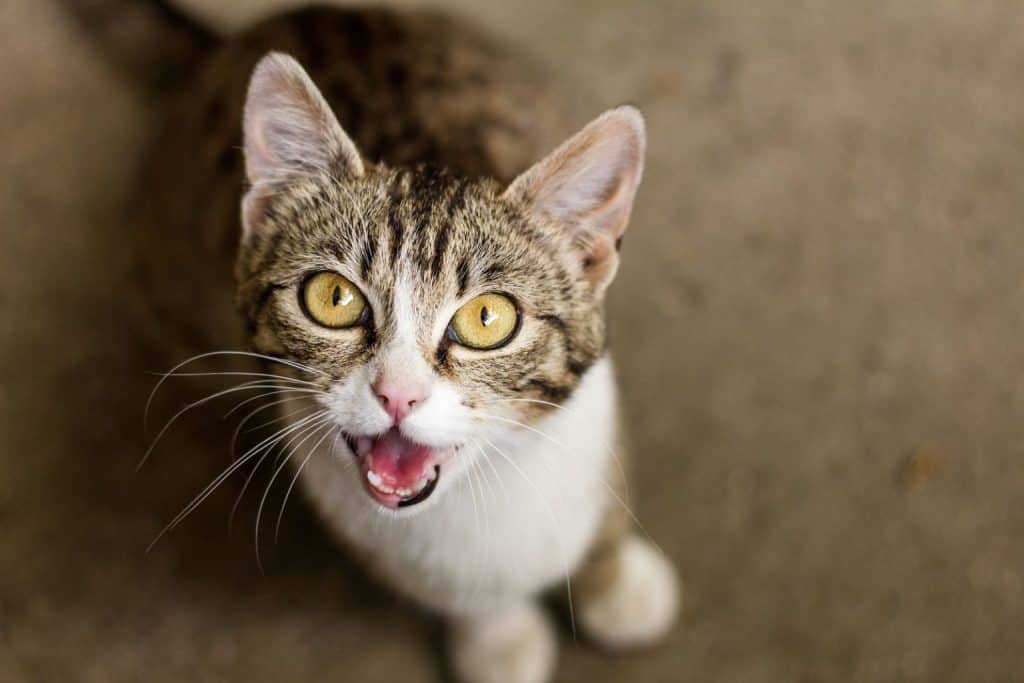
This behavior isn’t mischief; it’s instinct. By leaving their scent on furniture — or even on you — they are creating a familiar environment that feels safe.
A new home, a rearranged room, or unfamiliar objects may trigger extra rubbing as your cat tries to re-establish her “ownership” of her space.
4. Your Cat Is Trying To Communicate A Need
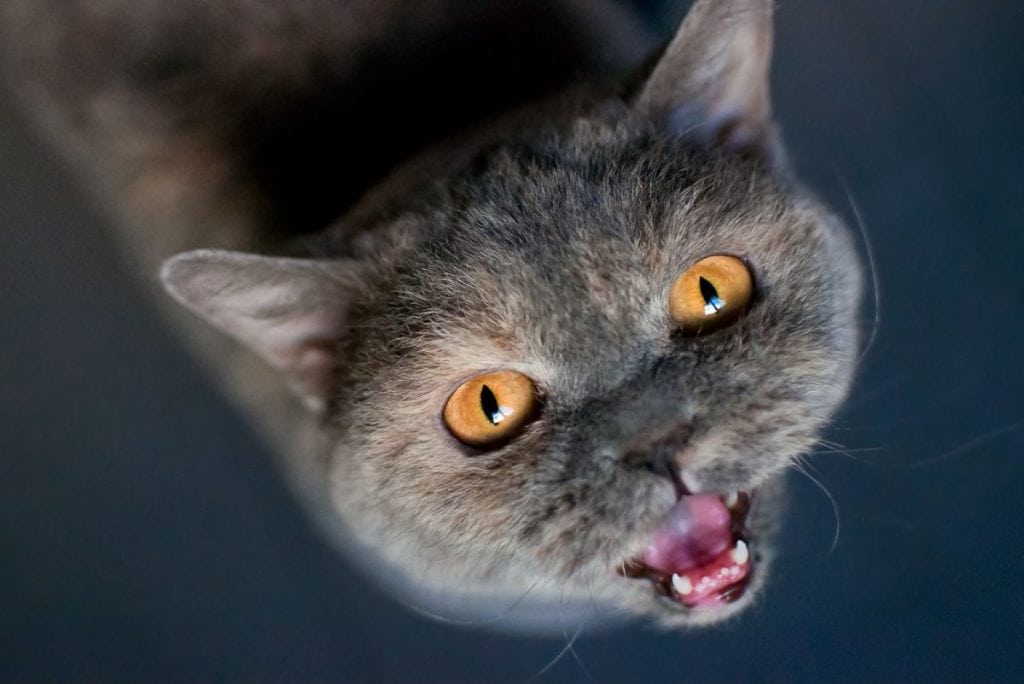
Meowing is a sound directed almost entirely at humans. Cats rarely meow at other cats; instead, they use body language and scent with their own species.
When your cat meows at you, she is sending a specific message. Some possibilities include:
- The food bowl is empty
- Water needs refreshing
- The litter box is full
- Loneliness or boredom
- A desire for warmth, petting, or play
- Fear or uncertainty
- A request to go outside or enter another room
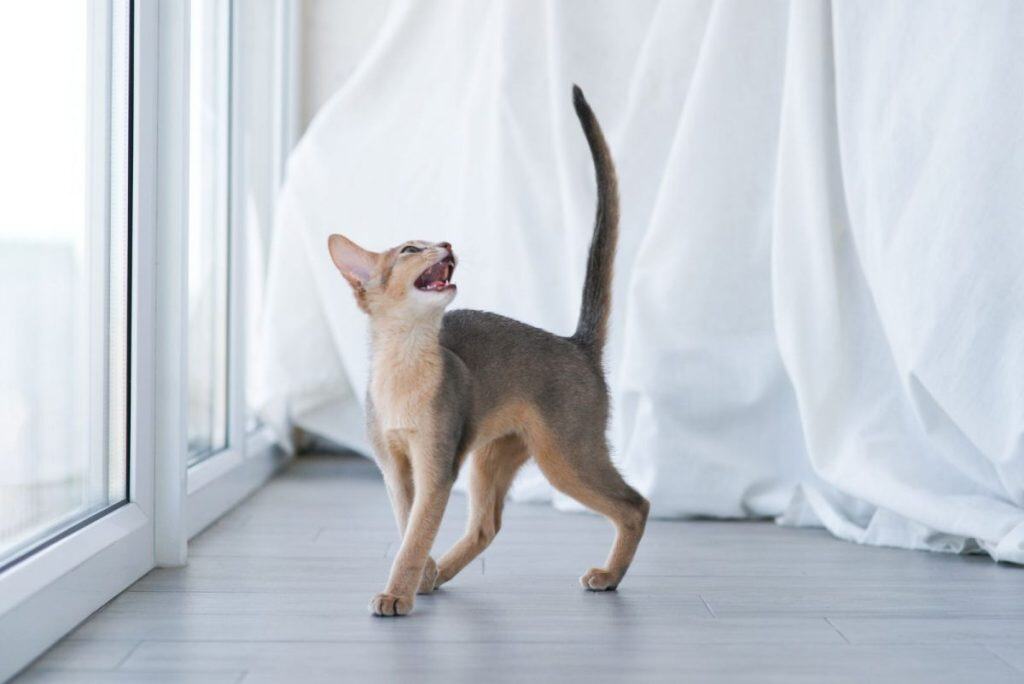
You know your cat’s patterns better than anyone. Paying attention to context will help you understand exactly what she is asking.
5. Health Issues May Be A Factor
Behavior changes often provide the earliest clues that something isn’t right. Loud meowing, persistent rubbing, or clinginess may indicate discomfort or illness. Potential health concerns include:
- Kidney disease
- Urinary infections
- Thyroid disorders
- Age-related cognitive decline
- Vocal cord issues
- Skin irritation or itching
- Compulsive behaviors
If your cat suddenly behaves differently, or if the behavior continues, a veterinary checkup is essential. Early diagnosis makes treatment easier and more effective.
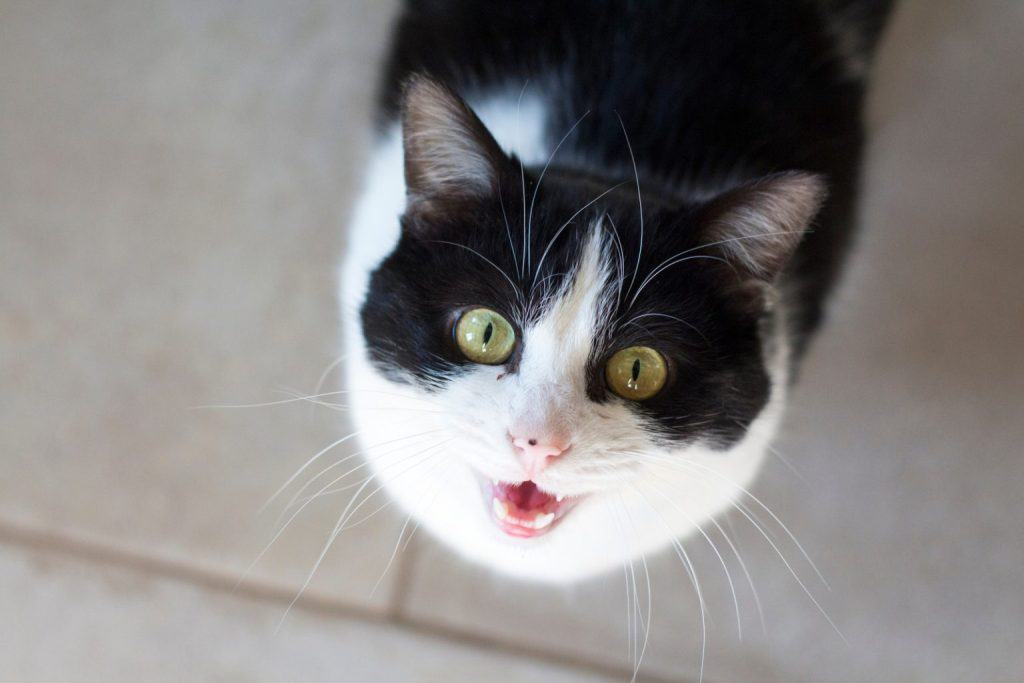
6. A Strong Desire To Go Outside
A cat rubbing on doors or windows, pawing at frames, or meowing at movement outside is likely motivated by curiosity. Even indoor cats are fascinated by birds, squirrels, and the sights of the outdoors.
Some cats adapt well to indoor life, while others become restless. Providing enrichment — climbing trees, window perches, or interactive toys — helps satisfy this curiosity. Leash training can also offer safe outdoor experiences.
7. Overstimulation Can Lead To Meowing And Rubbing
Too much petting or overly energetic play can sometimes overwhelm a cat. When this happens, she may rub against objects to calm herself, redirect energy, or regain her sense of control.
You can help by watching for early signs of overstimulation. Tail twitching, skin rippling, or sudden withdrawal usually signal that your cat needs a break.
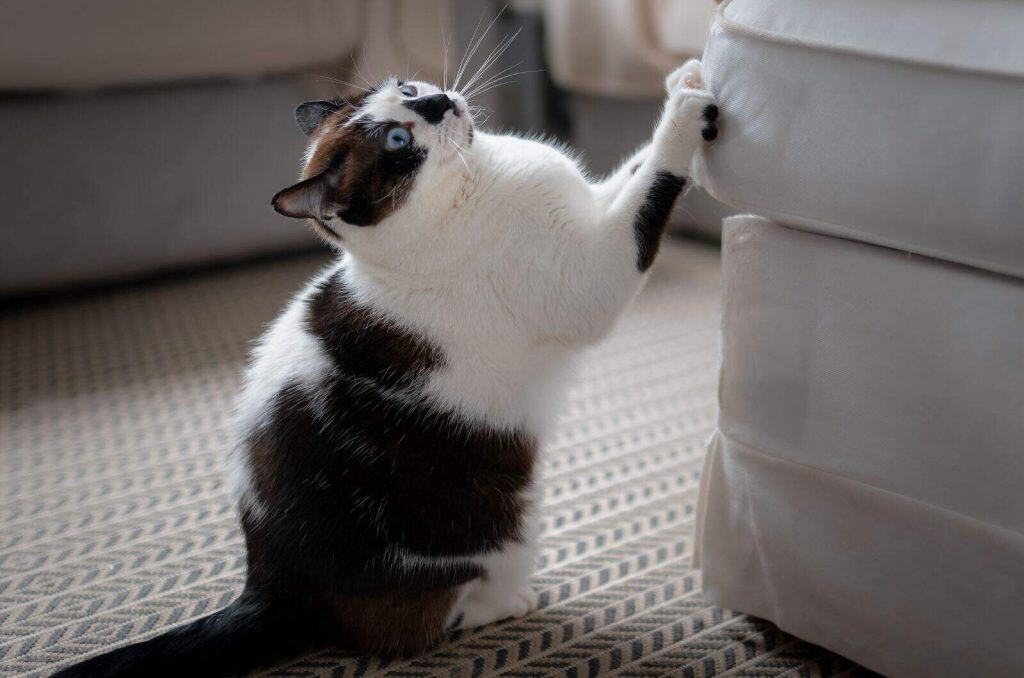
8. Grooming Behavior Toward You
Cats groom their family members as a sign of affection and belonging. Rubbing, licking, and brushing their heads against you can be part of this social bonding.
Although it may feel unusual, it’s your cat’s way of saying she trusts you. Returning the affection through petting or gentle brushing strengthens this connection.
9. Stress And Anxiety Can Trigger This Behavior
Changes in household routines, new pets, visitors, or even new furniture can unsettle a cat. Rubbing helps her deposit her scent, which restores familiarity and reassurance.
If she hides more than usual, meows excessively, or seems restless, she may be coping with stress. Providing a quiet retreat, keeping routines stable, and offering comforting items can help ease anxiety.
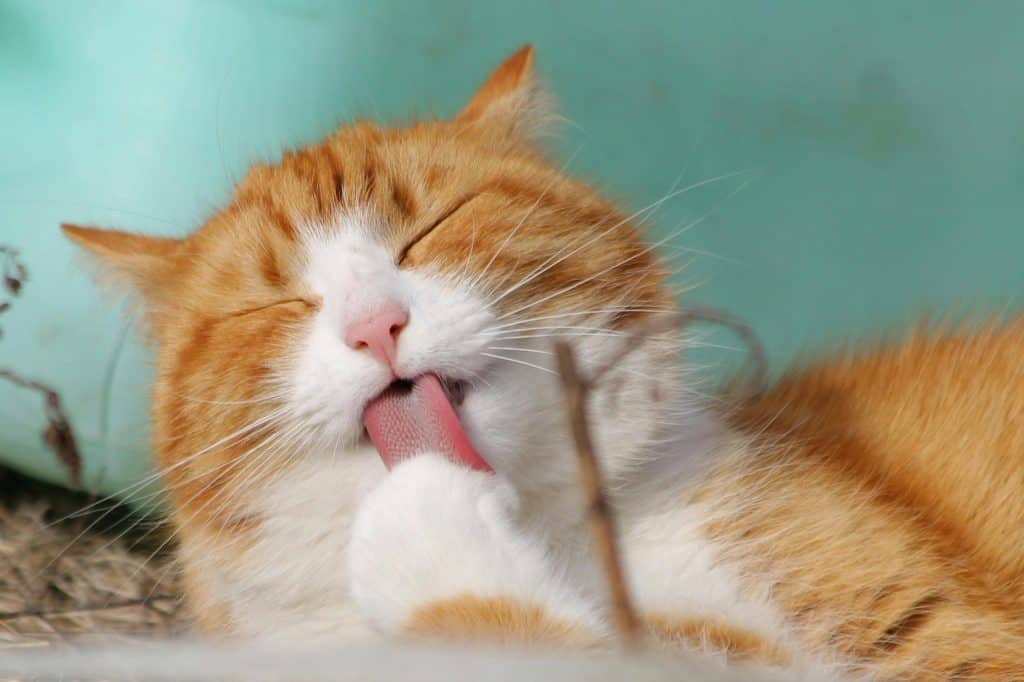
10. Feelings Of Loneliness Or Emotional Need
Cats form deep bonds with their caregivers. Long stretches of time alone during the day can leave them feeling isolated.
When you return home, meowing and rubbing become their way of reconnecting.
A few minutes of attention can make a world of difference.
Interactive play, cozy cuddling sessions, or simply sitting together helps your cat feel secure. If loneliness continues to be an issue, consider enrichment toys or even a companion animal.
Other Signs Of Loneliness To Watch For
Clinginess, excessive grooming, litter box issues, destructive behavior, or aggression may all develop when a cat feels emotionally unsettled.
These behaviors are signals, not misbehavior. Recognizing them early allows you to make supportive changes that restore calm.
Cats Are Independent — But Not Entirely
Many people believe cats prefer complete independence, but that isn’t accurate. Cats enjoy alone time, yet they also rely on emotional connection. They may not seek affection constantly, but they value companionship deeply.
If you’re ever unsure of your importance in your cat’s life, simply step away for a couple of days. Her enthusiastic greeting when you return will tell you everything you need to know.
What You Can Do To Reduce Excessive Meowing And Rubbing
1. Spay Your Female Cat
Spaying eliminates heat cycles and prevents many unwanted behaviors, including intense meowing and increased rubbing. It also protects long-term health and prevents unwanted litters.
2. Identify What Your Cat Wants
Try to connect the timing of the meowing with everyday events. Hunger, thirst, the desire for play, or simple affection are common motivators.
3. Rule Out Medical Problems
Check for injuries or unusual symptoms. A veterinarian can determine whether something physical is triggering the behavior.
4. Spend Quality Time Together
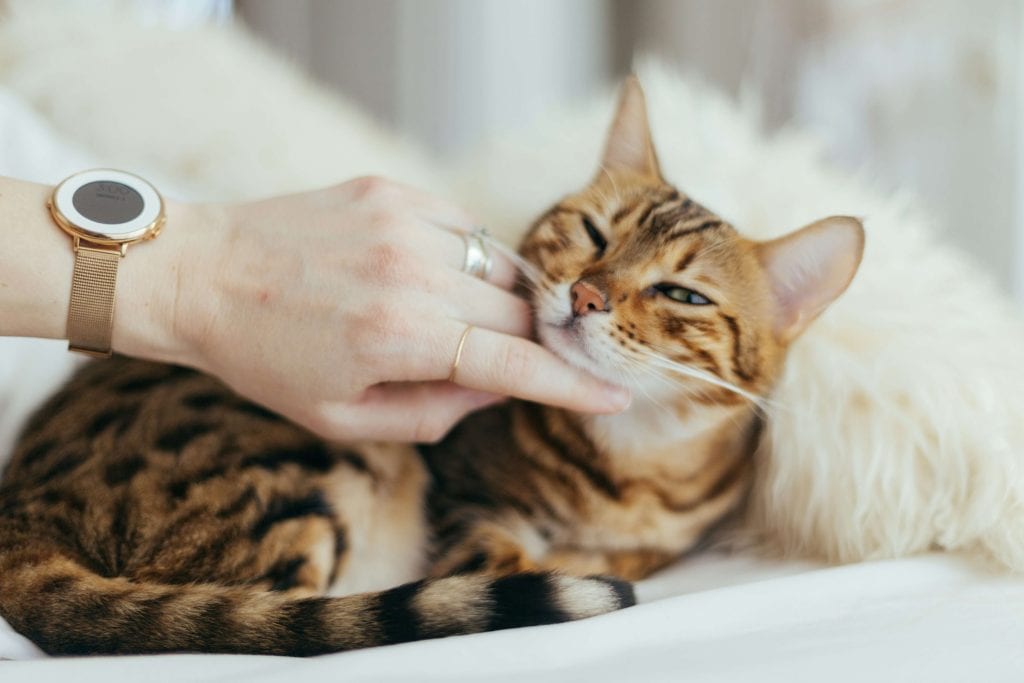
Focused interaction strengthens your bond and eases emotional distress. Even short, consistent periods of attention create meaningful comfort.
5. Provide Toys And Enrichment
Interactive toys, puzzle feeders, tunnels, and scratching posts keep your cat mentally stimulated and physically active.
6. Consider A Companion Cat
While not right for every household, a second cat can ease loneliness and provide constant companionship.
7. Add A Bird Feeder Outside
Safe wildlife-watching offers hours of entertainment and enriches your cat’s natural instincts.
Why Cats Rub And Meow At Each Other
Young kittens meow to their mother and siblings for warmth, food, and comfort. They also rub and knead to stimulate milk production and bond with their family.
Adult cats stop meowing at each other but continue to rub heads, touch noses, and brush their bodies together as friendly greetings and social bonding.
Conclusion
If your cat is constantly meowing and rubbing against everything, there is usually a meaningful reason behind it.
Most of the time it reflects affection, communication, curiosity, or a desire for comfort. By understanding the motivation behind these behaviors, you can support your cat’s emotional and physical well-being — and strengthen the bond you share.

I’m Chris, a lifelong cat lover and rescue advocate based in Austin, Texas. What started with one scruffy shelter cat ten years ago turned into a mission — sharing the stories of cats who got their second chance. I believe every rescue cat has a tale worth telling, and I’m here to tell them. When I’m not writing, I’m probably being ignored by my own three rescues