
Our pets are family, and when something seems wrong, it can be very frightening. Seeing your cat bring up her food, especially when it still looks whole, is one of those moments that makes your heart drop.
You may find yourself thinking, “Why is my cat throwing up undigested food, and is she in danger?”
The good news is that many causes are treatable, especially when they are spotted early. Understanding what might be going on will help you stay calm, notice important details, and talk confidently with your veterinarian.
Why Is My Cat Throwing Up Undigested Food?
When a cat repeatedly throws up food that looks almost the same as when it went into the bowl, it can be a sign of anything from mild irritation to more serious illness.
Some causes are simple, like eating too fast. Others, such as pancreatitis or intestinal blockage, can be life-threatening if ignored.

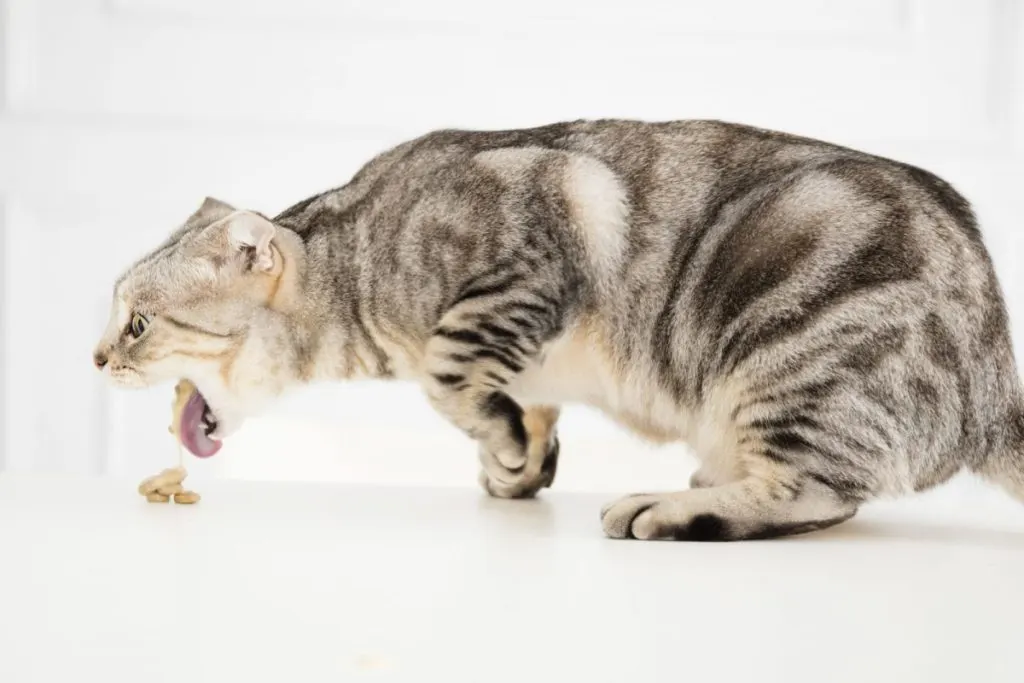
Before your vet can work out the cause, there is one very important question to answer:
Is your cat regurgitating or vomiting?
Regurgitation Or Vomiting – Why The Difference Matters
Those two words sound similar, but they describe very different things in the body. Knowing which one you are seeing gives your vet a much better chance of finding the right diagnosis quickly.
What Regurgitation Looks Like
Regurgitation is more like food “falling back out” than being forcefully thrown up. It usually:
- Happens soon after eating, often within 30 minutes to 2 hours
- Produces undigested food, often tube-shaped or in chunks
- Involves no heaving or strong stomach contractions
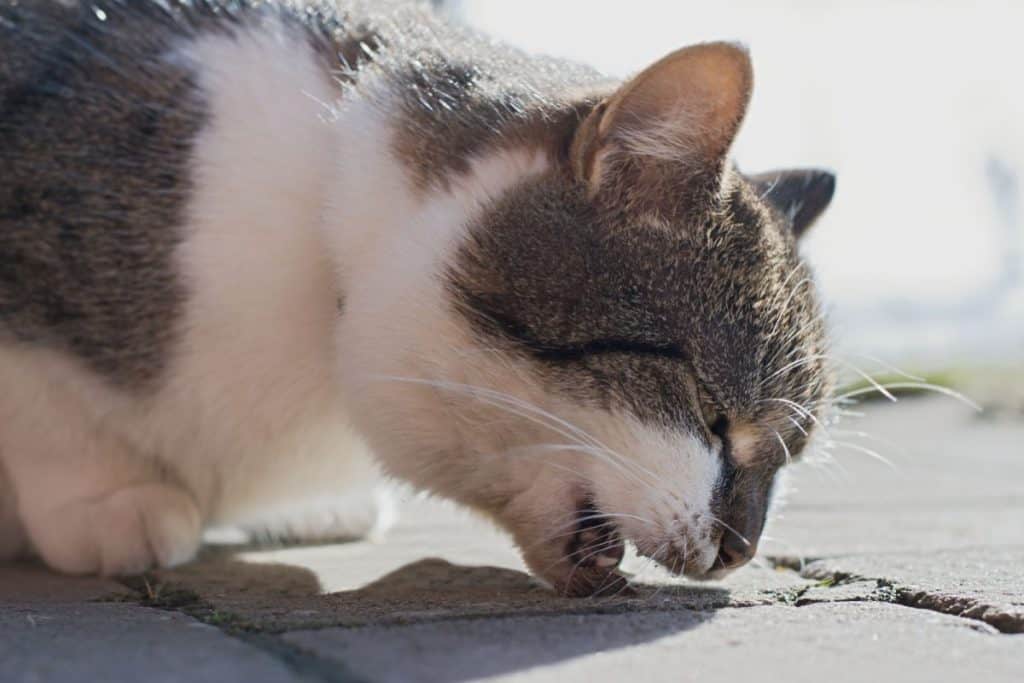
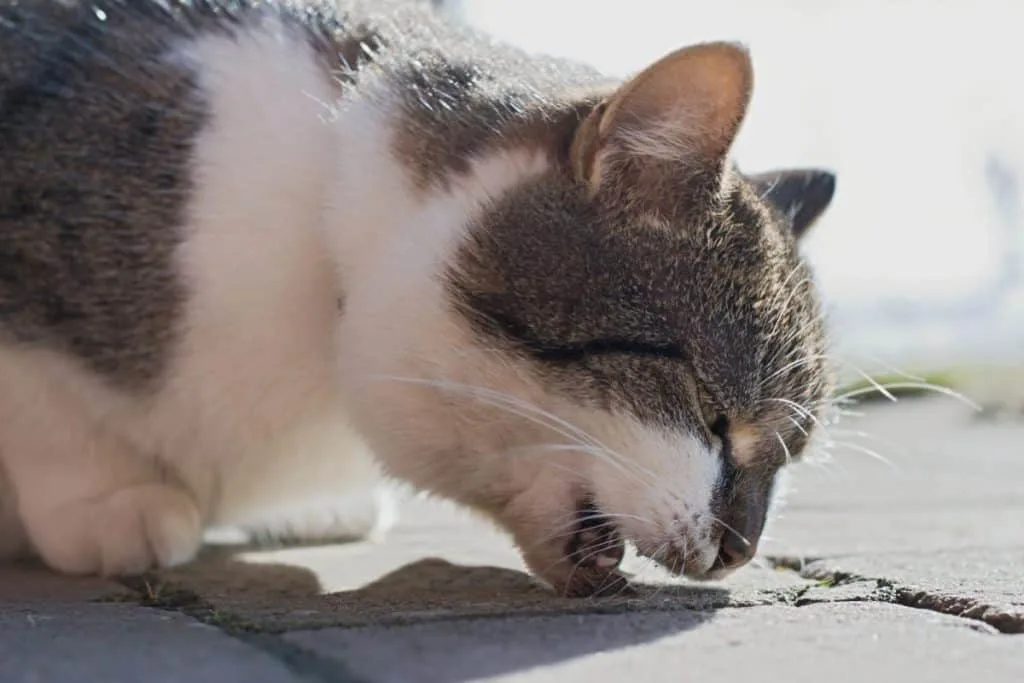
A regurgitating cat may simply lower her head, open her mouth a little, and the food slips out. The problem lies in the esophagus (the tube from mouth to stomach), not the stomach itself.
What Vomiting Looks Like
Vomiting is an active process and usually much messier. It often:
- Includes retching, abdominal contractions, and sometimes crying or drooling
- Brings up food mixed with fluid, foam, bile, or hair
- May be preceded by nausea, licking lips, or restlessness
With vomiting, the stomach and intestines are involved. The contents have already reached the stomach and are being forcefully pushed out.
Acute Vs Chronic Vomiting
Vets also think about how long the problem has been going on.
- Acute vomiting: starts suddenly in a cat who usually does not vomit. This may be caused by something your cat just ate, an infection, a toxin, or a blockage.
- Chronic vomiting: happens regularly over weeks or months. A cat might vomit once or twice every week or every month in a pattern.
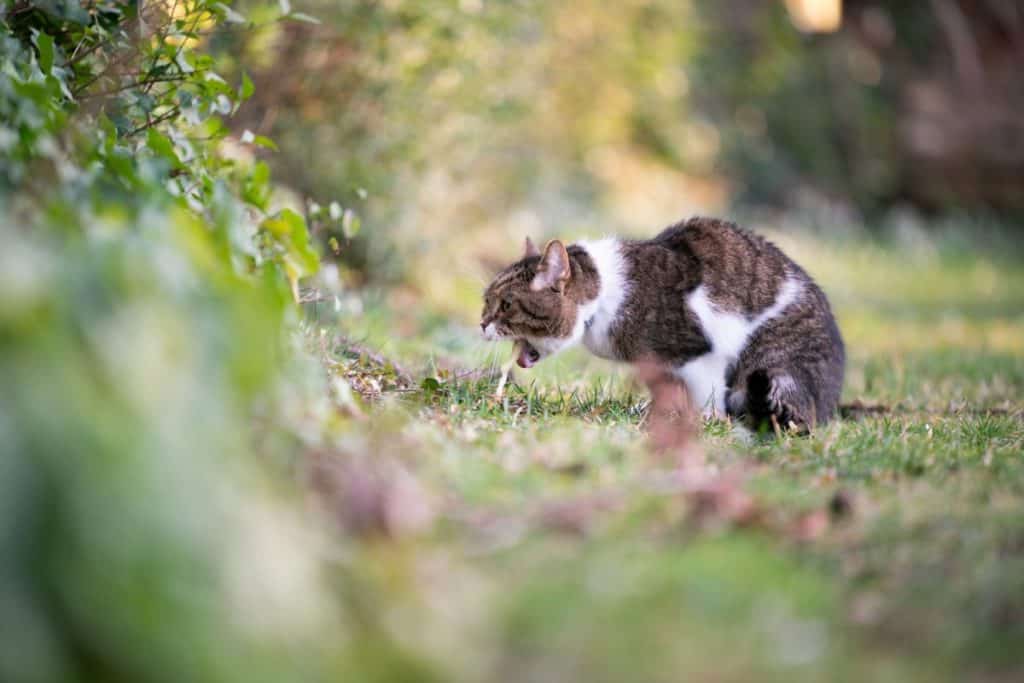
Occasional vomiting (less than about three times in one day, then stopping) can sometimes be harmless. However, if your cat:
- Throws up repeatedly
- Seems weak, quiet, or refuses food
- Loses weight, or has diarrhea as well
then it is time to contact your vet without delay. Older cats, in particular, can become dangerously dehydrated very quickly.
Common Reasons Cats Bring Up Undigested Food
Here are some of the most common causes your vet will consider when your cat is throwing up undigested or partly digested food.
1. Hairballs And Grooming
Cats are excellent groomers. Their tongues have tiny hooks that catch loose hair. Most of the time that hair passes through the gut.
When it builds up, it can form a hairball, irritating the stomach and triggering vomiting.
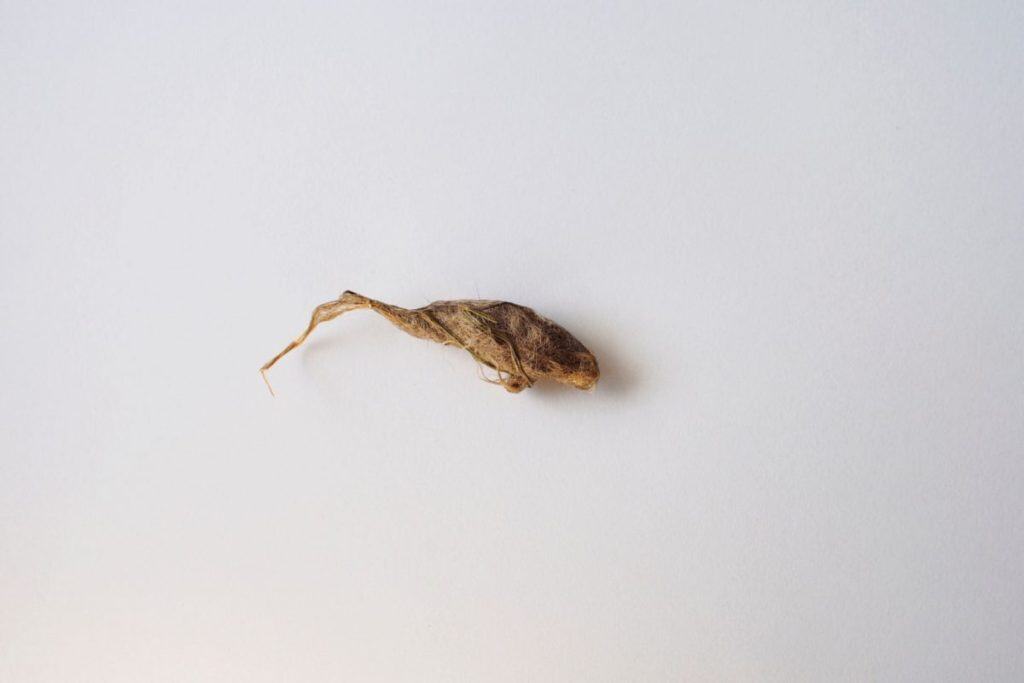
If hair is mixed with the food your cat brings up, or if you see sausage-shaped clumps of fur, hairballs may be part of the problem. Regular brushing and special hairball diets or supplements can help reduce this.
2. Eating Too Fast Or Too Much
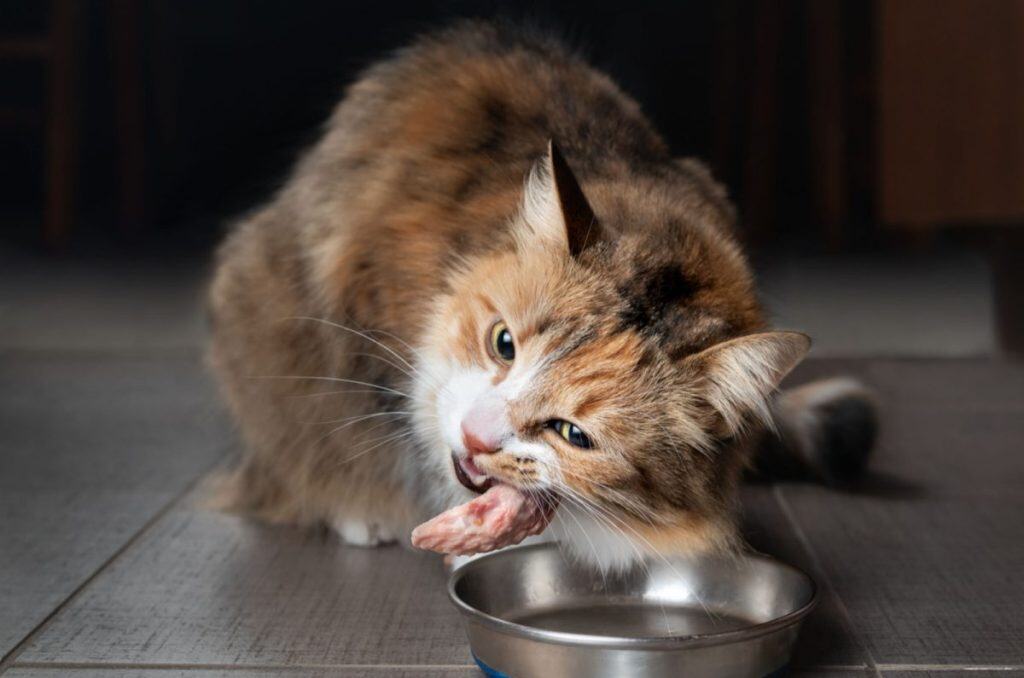
Some cats gulp their meals as if someone will steal their bowl. When food is swallowed too quickly, the stomach may struggle to cope and send it right back up.
You can help by:
- Serving smaller, more frequent meals
- Using a puzzle feeder, slow-feeding bowl, or spreading food on a large plate
- Feeding multi-cat households in separate areas to reduce competition
These simple changes often make a big difference, especially in otherwise healthy cats.

3. Food Allergies Or Sensitivities
Just like people, cats can react badly to certain ingredients. Often, the problem is a specific protein, such as chicken, beef, or fish. A sensitive cat may vomit, have soft stools, lose weight, or develop itchy skin.
Your vet may suggest:
- A “sensitive stomach” diet
- A limited-ingredient food
- A hydrolyzed protein diet, where the protein is broken into tiny pieces so the immune system does not recognize it as an allergen
Diet trials usually need several weeks to judge properly, so patience is important.
4. Sudden Diet Changes
Cats’ digestive systems dislike sudden surprises. Switching food too quickly, skipping meals, or feeding at very irregular times may lead to vomiting.
Whenever you change food, do it slowly over 7–14 days:
- Start with about 75% old food, 25% new
- Gradually increase the new food while decreasing the old
This gentle transition gives the gut time to adjust.
5. Intestinal Blockage
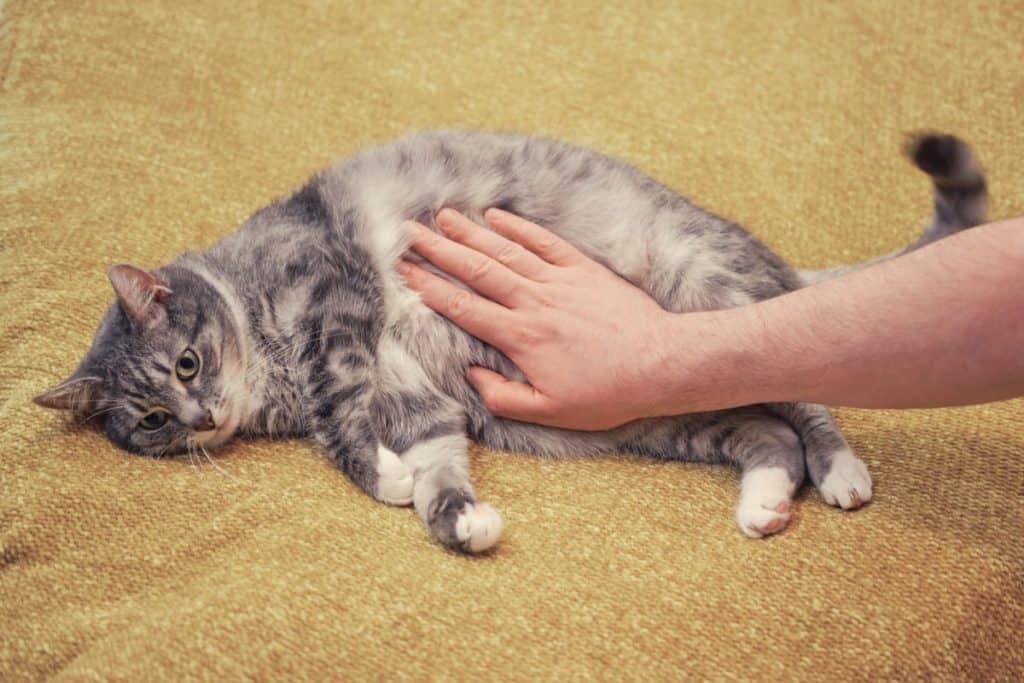
If a cat swallows a string, rubber band, toy piece, or Christmas decoration, it can become stuck in the intestines. This can cause:
- Repeated vomiting
- Pain and restlessness
- Loss of appetite
- Straining in the litter box
Intestinal blockage is an emergency. Only a vet can diagnose and treat it, often with surgery. Keeping small objects out of reach is one of the most important safety steps for curious cats.
6. Pancreatitis
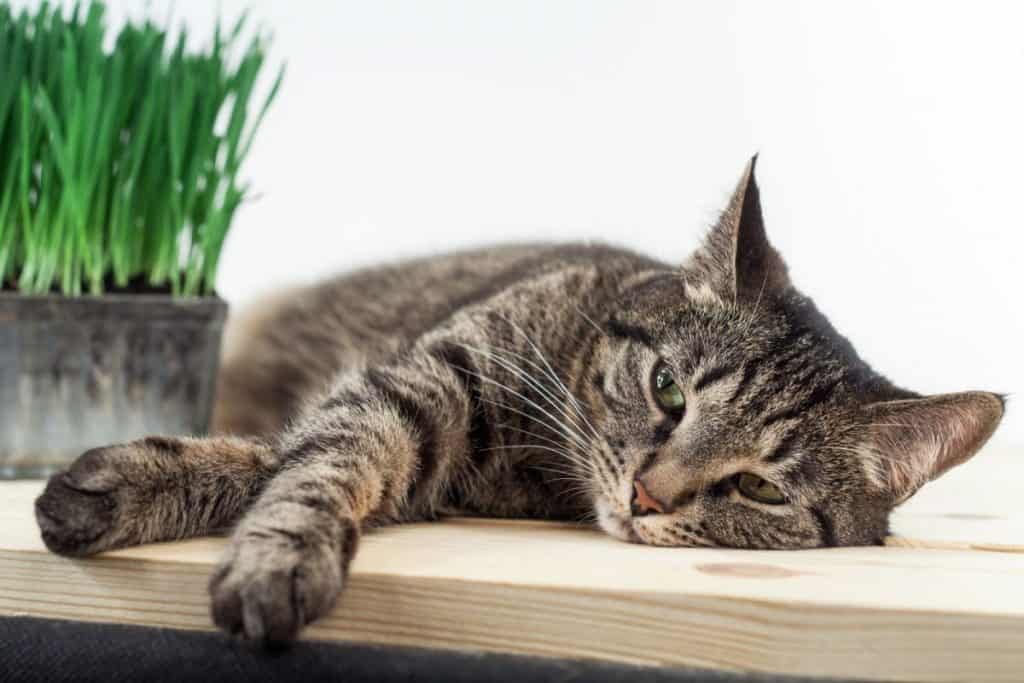
Pancreatitis is inflammation of the pancreas, a small organ that helps digest food. In cats, the signs can be subtle but serious: vomiting, diarrhea, poor appetite, and lethargy.
Because pancreatitis can be life-threatening, any cat with those symptoms should be seen by a veterinarian promptly. Blood tests, scans, and supportive care are often needed.

7. Gastritis And Stomach Irritation
When a cat eats something irritating or mildly toxic, the stomach lining can become inflamed. This is called gastritis. Possible culprits include spoiled food, certain plants, human medicines, or table scraps that are too rich.
Alongside vomiting, you might see:
- Lethargy
- Dehydration
- Reduced appetite
Your vet can investigate and treat the underlying irritation and rule out more dangerous causes.
8. Inflammatory Bowel Disease (IBD)
IBD is a long-term condition where the intestines become inflamed and thickened. This makes it harder for cats to digest food and absorb nutrients. Symptoms often include:
- Repeated vomiting
- Diarrhea or soft stools
- Weight loss, even when eating
IBD sometimes overlaps with intestinal cancers, so proper testing is very important. Treatment can include special diets, medications to calm the inflammation, and regular monitoring.

9. Intestinal Parasites
Roundworms, hookworms, and other parasites can upset the gut and lead to vomiting, diarrhea, and a “pot-bellied” look. Kittens and outdoor cats are at especially high risk.
Routine deworming and regular vet check-ups help keep parasites under control, and a simple stool test can often confirm the diagnosis.
10. Stress And Anxiety
Cats may be small, but their hearts and minds are very sensitive. Big changes can upset their stomachs too. Moving house, new pets, visitors, loud noises, or even changing their food bowl location can create stress.
Stress can lead to:
- Vomiting
- Litter box problems
- Hiding or clingy behavior
Providing quiet resting places, predictable routines, and gentle reassurance can ease anxiety. In some cases, calming products or behavior advice from your vet may help.

How Your Vet Will Help
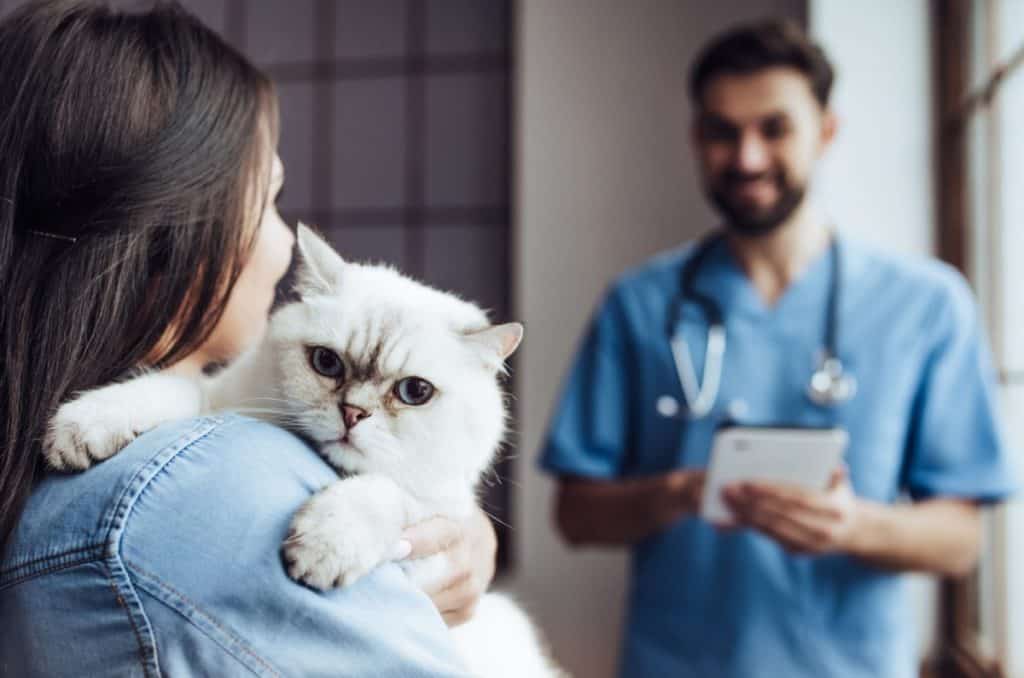
When you bring your cat to the clinic, the veterinarian will:
- Examine your cat from nose to tail
- Ask detailed questions about when the vomiting started, what it looks like, and what your cat eats
- Possibly run tests such as bloodwork, urine tests, fecal tests, x-rays, or ultrasound
Treatment might include:
- Anti-nausea medication
- Fluids to correct dehydration
- Deworming treatments
- Diet changes
- Surgery, if a blockage or other serious problem is found
Bringing a photo of the vomit or a small sample (if possible) and noting the brand of food, how much your cat eats, and how often she vomits will all help your vet.
Never give human medicines to a cat unless your vet specifically prescribes them.

What You Can Do At Home
After your vet has examined your cat and made a plan, there are many gentle ways you can support healing.
- Follow diet recommendations carefully and introduce new foods slowly
- Offer fresh water in several locations or a pet fountain to encourage drinking
- Brush your cat regularly to reduce hairballs
- Use puzzle feeders or slow bowls if she tends to gulp her meals
- Keep the home environment calm, with safe hiding spots and clean litter boxes
These small acts of love can make your cat more comfortable and may prevent future episodes.

For Worried Cat Moms
If your cat is throwing up undigested food, especially more than once or together with other signs like weight loss, diarrhea, or tiredness, it is always safest to call your veterinarian. You know your beloved companion better than anyone, and your instincts matter.
Most causes of vomiting can be managed or treated when they are caught early. With your careful observations and your vet’s medical knowledge, your cat has an excellent chance of feeling like herself again.
You are not alone in worrying. Wanting answers is a sign of how deeply you care, and that care is the first and most important step toward helping your cat feel well and safe.

I’m Chris, a lifelong cat lover and rescue advocate based in Austin, Texas. What started with one scruffy shelter cat ten years ago turned into a mission — sharing the stories of cats who got their second chance. I believe every rescue cat has a tale worth telling, and I’m here to tell them. When I’m not writing, I’m probably being ignored by my own three rescues