
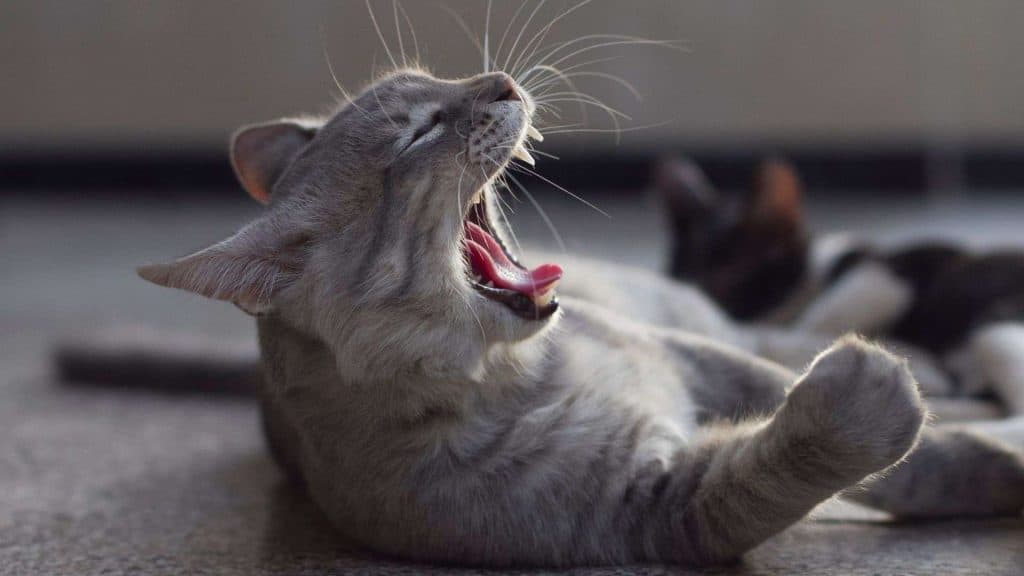
Anyone who has lived with a cat knows they can be full of delightful mysteries. One moment they’re staring up at the ceiling as if receiving messages from another realm, and the next they’re chewing on a cardboard box with deep determination.
Sharing a home with a feline companion often leaves us smiling, puzzled, and wishing we could peek inside their secret thoughts.
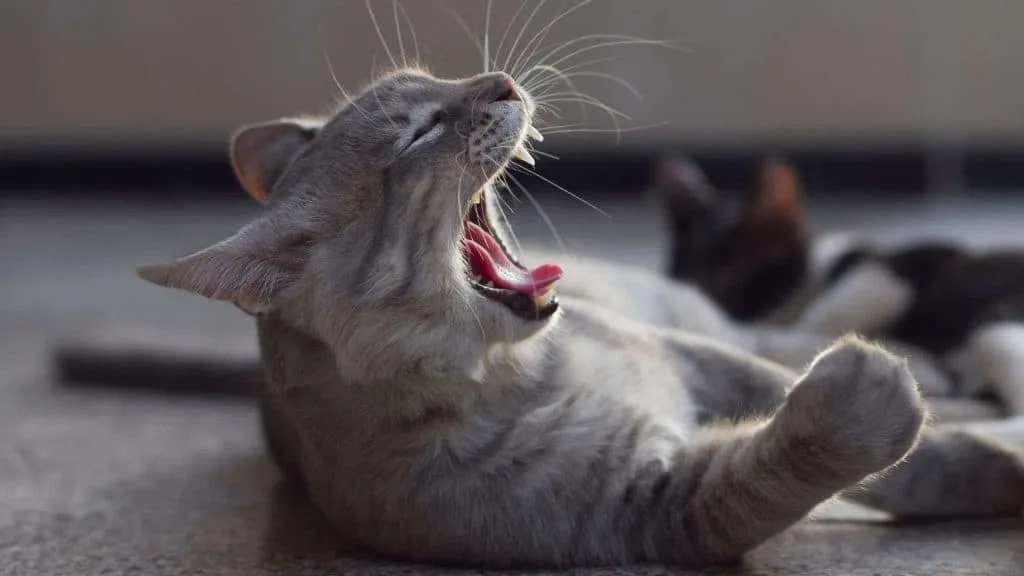
Among their many quirks, yawning is one of the most common. We’ve all seen it: a sweet kitty stretching out in a patch of sunlight, mouth opening wide in a long, luxurious yawn. It’s a familiar sight, yet many cat owners still wonder what this behavior really means.
Today, let’s walk through the most common reasons behind feline yawns—and what they reveal about your cat’s comfort, mood, and health.
Sleepiness: The Most Common Cause Of Kitty Yawns
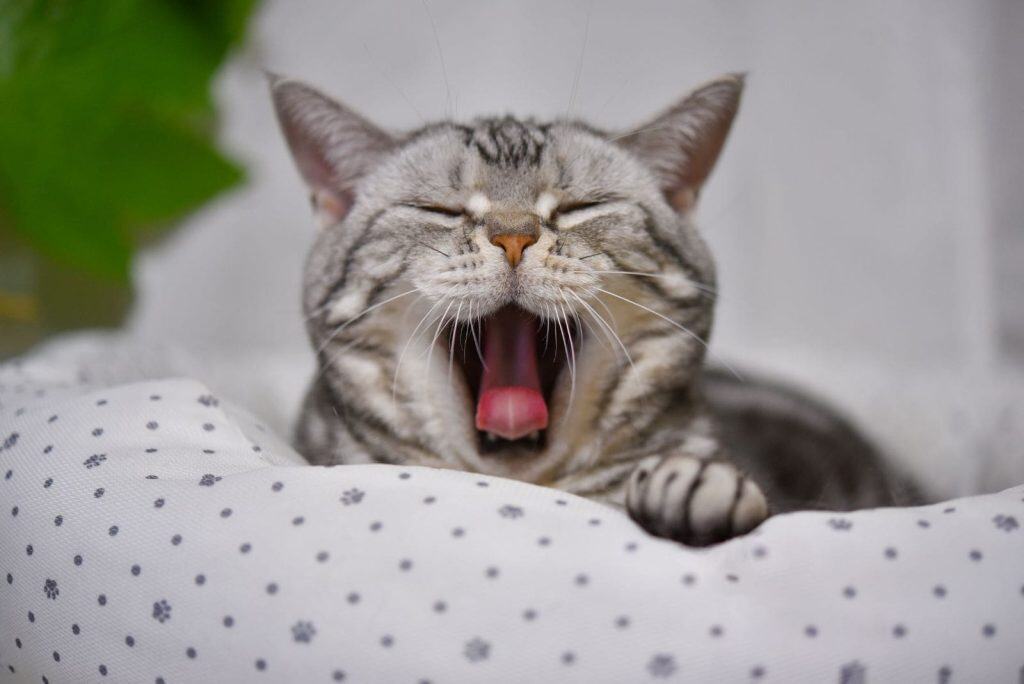
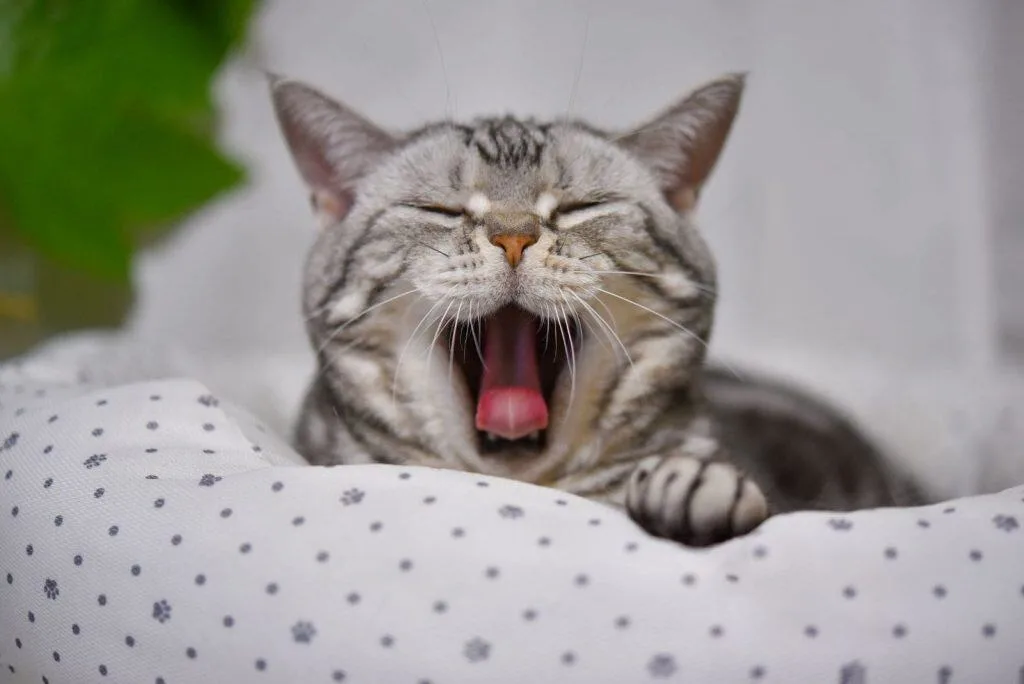
Just like people, cats often yawn when they’re feeling sleepy. This simple reflex brings a surge of oxygen into their system and helps release excess carbon dioxide. That extra breath of air can perk them up or help them unwind, depending on the moment.
Some cats yawn right before drifting off, while others do it when they’re trying to stay alert. This dual purpose is remarkably similar to human yawning. It’s one more reminder of how closely our daily rhythms often mirror those of our beloved pets.
When you notice your cat stretching, blinking slowly, and letting out a soft yawn, it’s usually nothing more than a sign that rest—or a peaceful doze—is on the way.
Yawning After Waking Up: A Natural Warm-Up
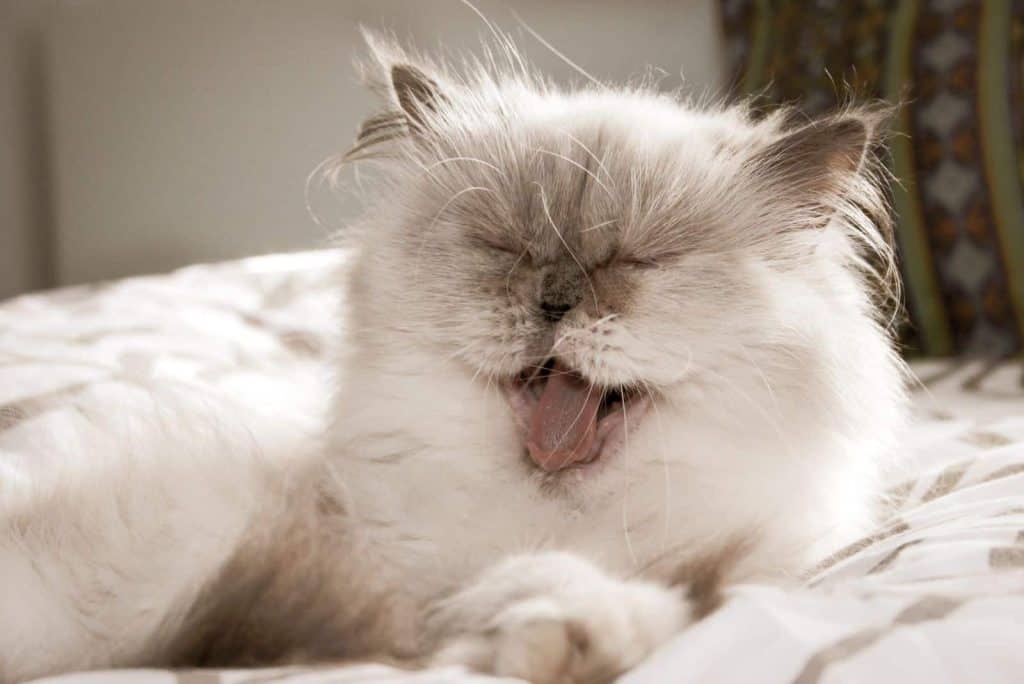
Many cats begin their day with a gentle stretch followed by a deep yawn. This helps them shake off any lingering grogginess after sleep.
The sudden infusion of oxygen wakes up their muscles and clears their senses, preparing them for whatever comes next—whether that’s breakfast, bird watching, or a slow stroll across the living room.
Humans do the very same thing, which makes this an easy behavior to recognize and appreciate.
Could Cat Yawns Be Linked To Empathy?
You may have noticed that if another human yawns near you, you sometimes can’t resist yawning back. Dogs have also been shown to mimic human yawns, particularly those of their owners.
But when it comes to cats, researchers still have more questions than answers.

There is some speculation that cats may occasionally copy a human’s yawn, but there’s no strong evidence to confirm it. Cats are naturally private, independent creatures, so proving “contagious yawning” in felines is challenging.
Still, if your cat seems to yawn soon after you do, you’re welcome to imagine it as a tiny moment of shared understanding—even if science hasn’t caught up yet.
Boredom Can Lead To Yawning Too
We’ve all been seated in long meetings or lectures where yawning becomes nearly impossible to resist. Cats experience a similar reaction when their minds aren’t engaged.
A bored cat may start yawning more frequently because yawning increases alertness for a short moment.
It helps them shake off that dull feeling and refocus their attention. If your cat seems to be yawning out of pure restlessness, you might consider offering a new toy, a window perch, or a short play session.

Even older cats benefit from gentle, enriching activities that keep their minds active and spirits high.
Contentment Often Brings On A Cozy Yawn
Few things are sweeter than a relaxed cat curled up beside you, purring softly, drifting in and out of sleep. During these peaceful moments, you may notice a soft yawn as your cat adjusts her body and stretches her paws.
This type of yawn is a sign of pure comfort. Cats who feel safe, secure, and deeply content often express it this way. If your cat greets you with a slow stretch and a warm yawn, take it as a quiet sign of affection. She feels at ease with you—and that’s something to treasure.
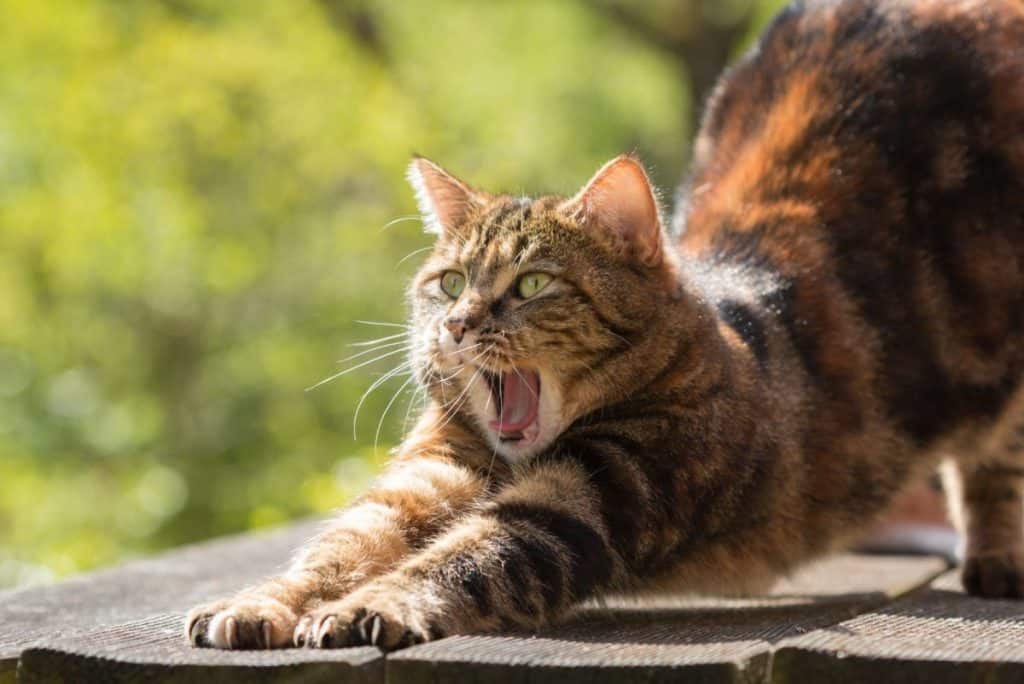
Yawning As Communication: A Subtle Cat Message
Cats rely heavily on body language to express their needs and emotions. Yawning can occasionally be part of that communication.
A cat may yawn when she’s uneasy, nervous, or even mildly stressed. This type of yawn is very different from a sleepy or contented one. The mouth opens quickly and closes just as fast. You might also notice:
- A stiff or hunched posture
- Lowered whiskers
- A fixed or wary gaze
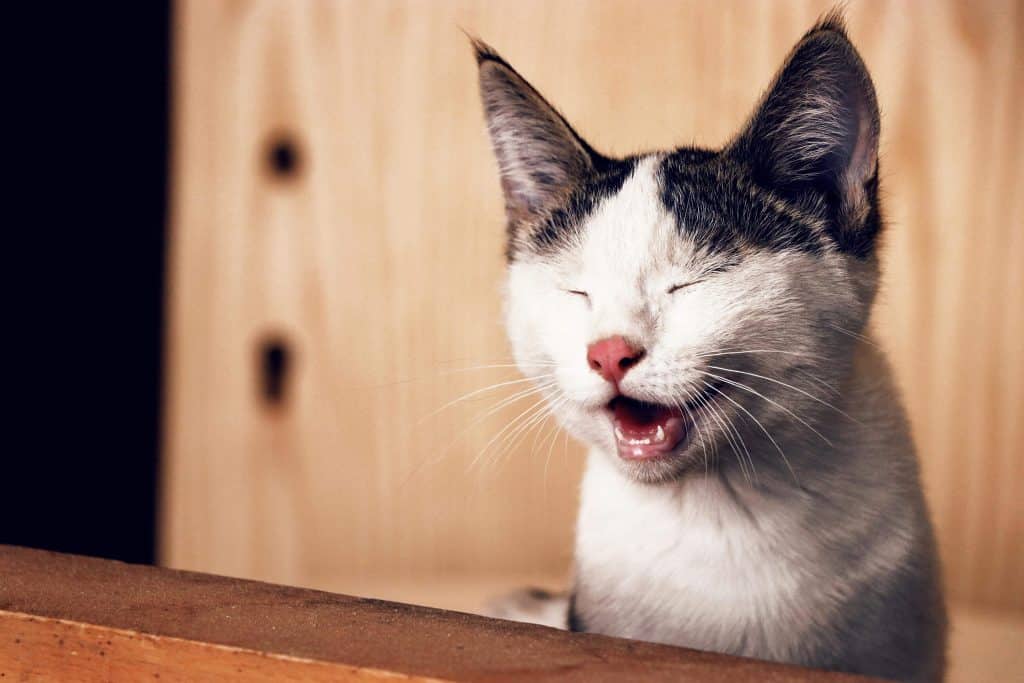
Routine changes, unfamiliar visitors, or other animals in the home may prompt this kind of stress-yawn. When facing another cat, a yawn can even act as a calming signal—almost like saying, “I mean no harm.”
Understanding these small signals can help you support your cat through moments of uncertainty.
Dental Or Health Issues Can Trigger More Frequent Yawning
Yawning is typically harmless, but occasionally it can signal discomfort. Cats experiencing mouth pain—from sore teeth, gum inflammation, or other oral problems—may yawn more often because stretching their jaw provides a moment of relief.
This type of yawn is often accompanied by other symptoms, including:
- Drooling
- Avoiding food or chewing slowly
- Bad breath
- Pawing at the mouth
If you observe any of these signs, a prompt veterinary visit is important. Oral health concerns are easier to treat when addressed early.

Sometimes A Cat Yawns Just To Get Your Attention
Cats may be independent, but they are also wonderfully dramatic. Some learn that a big, exaggerated yawn earns them a glance, a giggle, or even a cuddle. Once they know this works, many repeat the behavior simply to enjoy your reaction.
Fortunately, attention-seeking yawns are harmless and often endearing. As long as your cat isn’t knocking over breakable heirlooms or yowling for no reason, a little dramatic flair is perfectly acceptable.
A Gentle Reminder For Loving Pet Owners
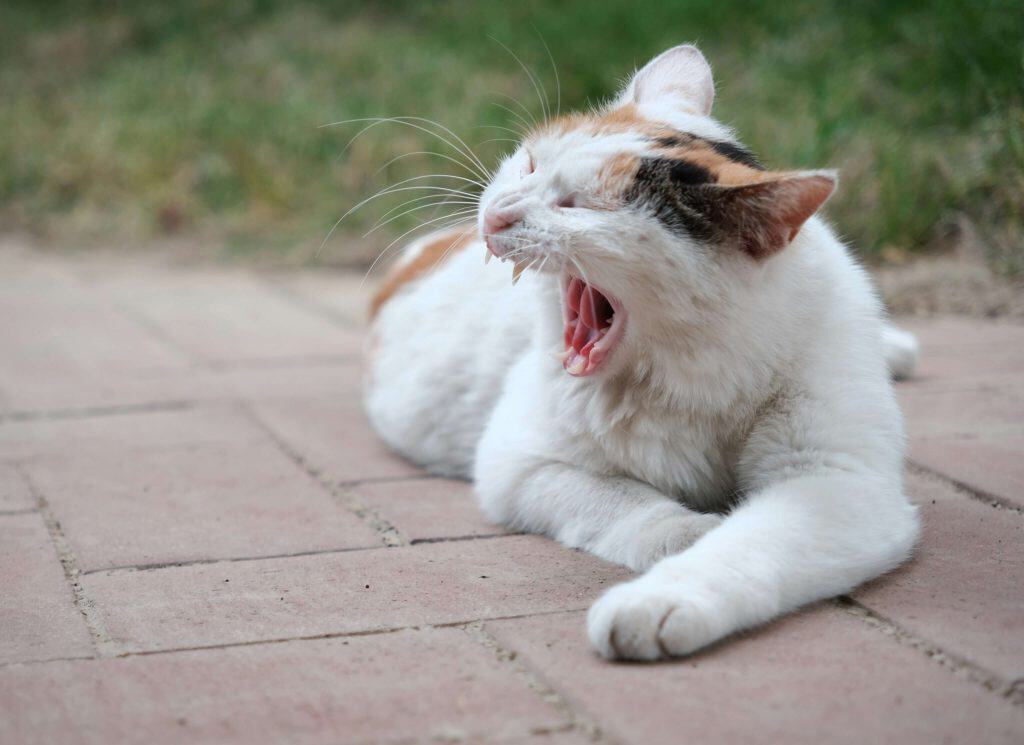
The next time your kitty lets out a big, adorable yawn, remember that this simple gesture can mean many different things—from contentment to mild stress to simple sleepiness. Most yawns are completely normal and nothing to worry about.
Paying attention to the context—your cat’s surroundings, posture, mood, and routine—can help you interpret what she’s trying to tell you.
Whether she’s gearing up for a nap or quietly asking for reassurance, every yawn is just another glimpse into the fascinating language of cats.
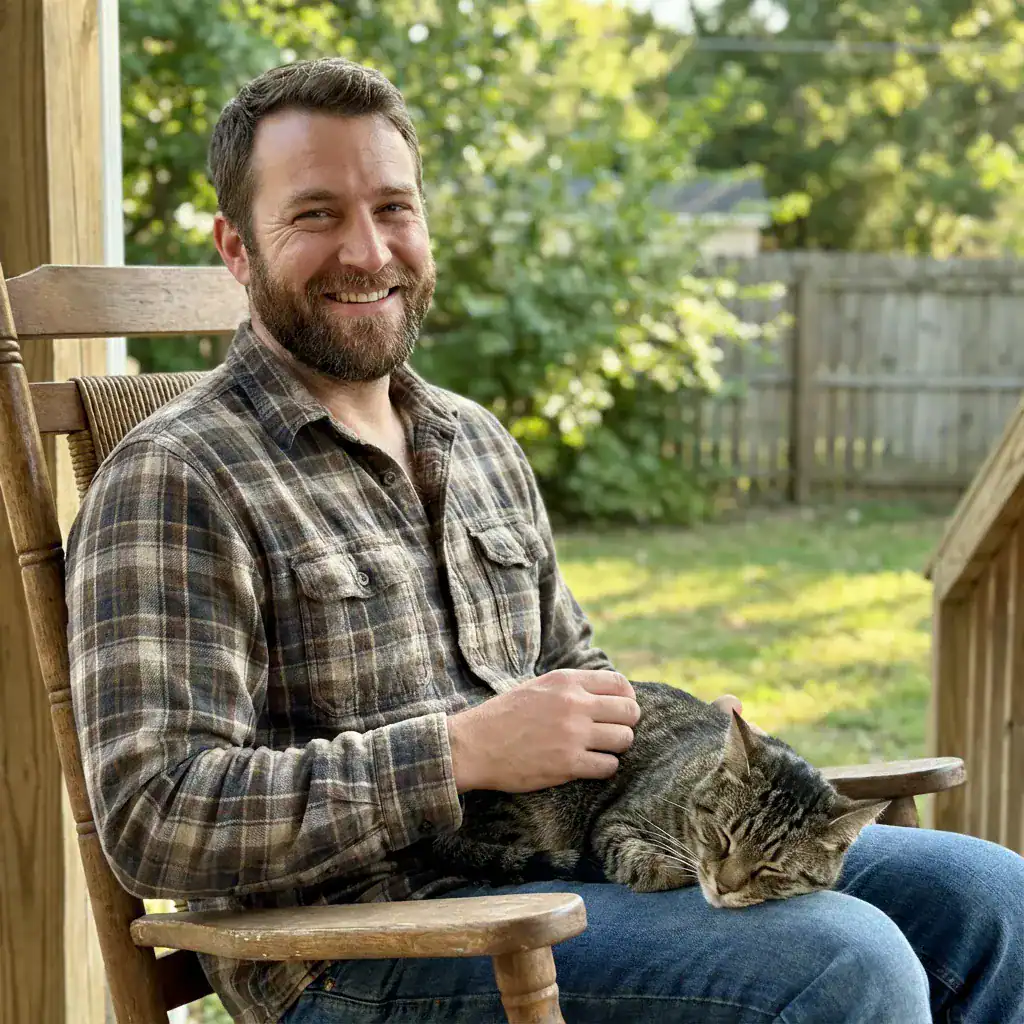
I’m Chris, a lifelong cat lover and rescue advocate based in Austin, Texas. What started with one scruffy shelter cat ten years ago turned into a mission — sharing the stories of cats who got their second chance. I believe every rescue cat has a tale worth telling, and I’m here to tell them. When I’m not writing, I’m probably being ignored by my own three rescues