

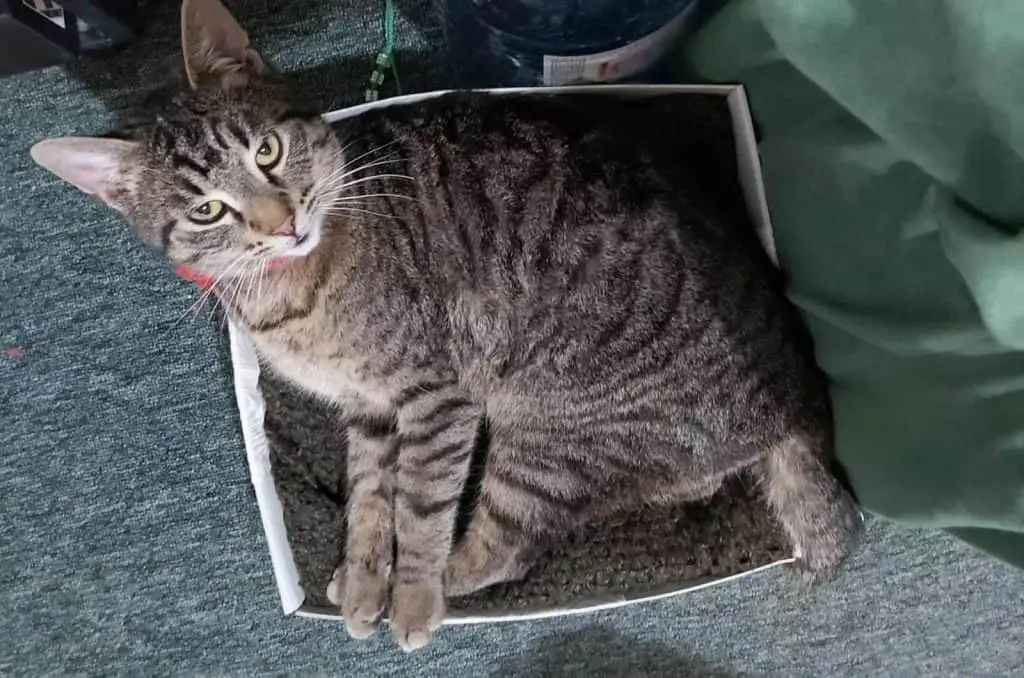
Whether you currently live with a cat or simply enjoy watching adorable pet videos online, you’ve probably seen countless pictures of cats squeezing into boxes of every shape and size.
They nap in them, hide inside them, play around them, and sometimes treat cardboard like it’s the greatest treasure on earth.
In my home, even the sound of a package being delivered can spark excitement. The doorbell rings, and my cats arrive faster than I do, eager to inspect the latest cardboard “gift.”
Despite having cozy beds and well-designed cat furniture, they often choose the simplest object in the room: a plain box.
If you’ve ever wondered why this behavior is so universal among cats, this guide will help you understand the surprising science and instincts behind it.
A Box Feels Like A Safe, Private Hideaway
Many cat owners become puzzled when their pets ignore luxurious beds in favor of an old shipping box. Yet this behavior is deeply rooted in feline nature.
Cats instinctively seek out spaces that feel enclosed and predictable. A box provides walls, corners, and shadows—elements that help them feel hidden and protected.
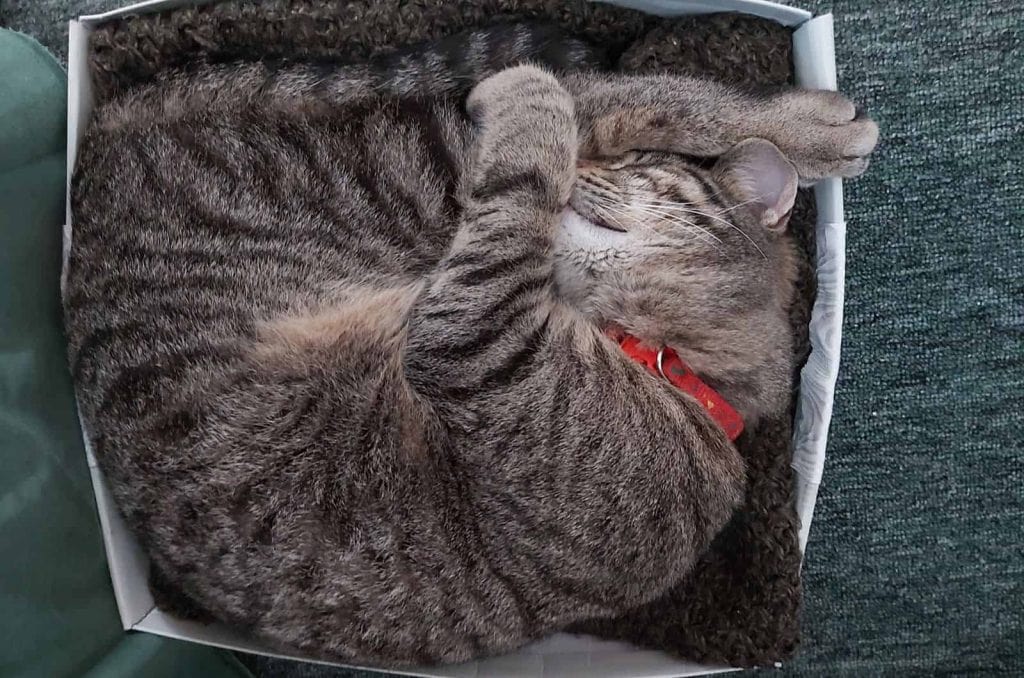
Just like humans sometimes enjoy curling up in a quiet corner with a blanket, cats also crave places that allow them to retreat from the world.
Small, enclosed areas help reduce sensory overload. When your cat chooses a box to sleep in, it’s not being silly or stubborn. It’s choosing a comforting sanctuary where it feels completely secure.
In behavioral studies, cats introduced to new environments often gravitate toward enclosed spaces first.
A box offers the emotional equivalent of a safe room—a place where the cat can rest, observe, and adjust before exploring its surroundings further.
Cardboard Boxes Help Cats Stay Warm And Cozy
Safety isn’t the only reason cats adore boxes. A cardboard box also provides a warm, insulated environment. Although it doesn’t look like much, cardboard traps heat surprisingly well.
For animals who naturally seek temperatures warmer than what humans typically prefer, this is a major benefit.
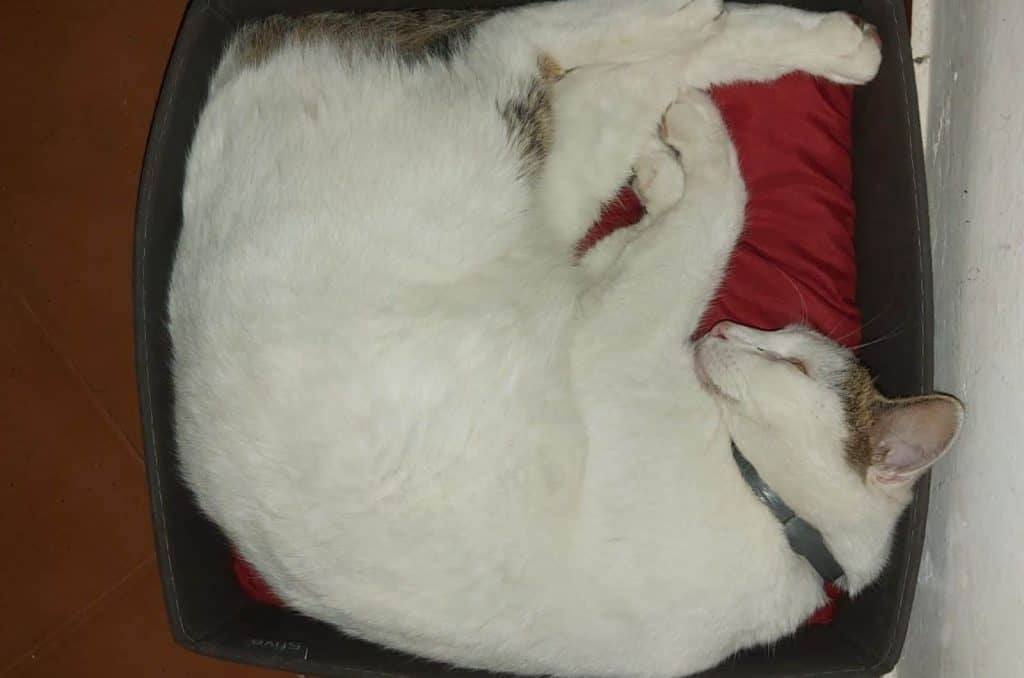
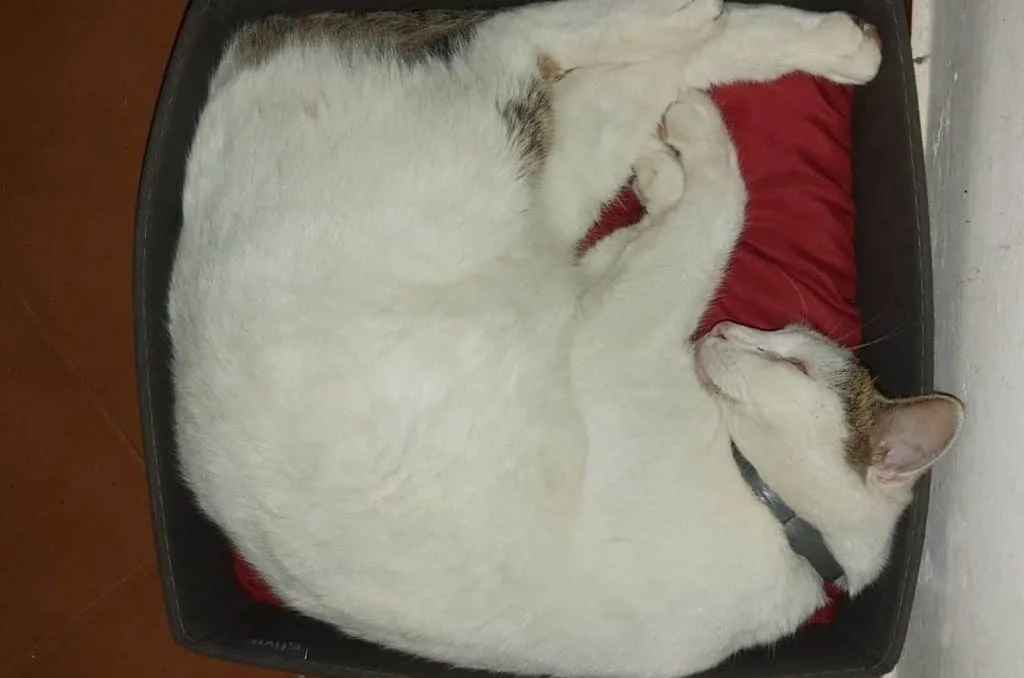
Many pet parents notice their cats sleeping in boxes throughout the colder months.
A box allows the cat’s body heat to build up in a small space, creating a snug, nest-like atmosphere. If your cat curls tightly into a ball inside a box, it’s simply enjoying a cozy retreat that holds warmth far better than an open bed.
Some cats will even choose boxes over heated pads because cardboard feels natural, familiar, and soft enough to mold into a perfect sleeping spot.
Boxes Can Reduce Feline Stress
Cats can experience stress for many reasons—new pets, unfamiliar guests, loud noises, or changes in routine. When a cat feels overwhelmed, its first instinct is often to hide. A box serves as the perfect refuge during these moments.
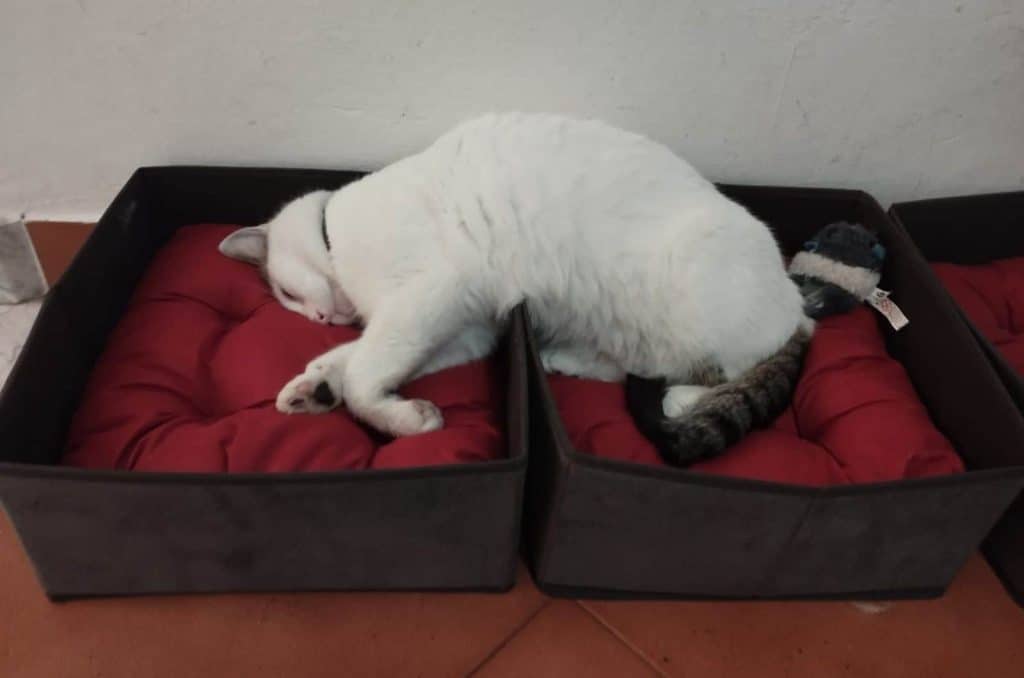
In fact, shelters often provide cardboard boxes to newly arrived cats because it helps them adapt more comfortably.
The enclosed environment lowers anxiety levels, offers a sense of control, and gives the cat a place to retreat when the world feels too stimulating.
Think of the box as a feline version of a quiet reading nook or a peaceful bedroom. It gives the cat permission to temporarily withdraw from whatever is causing tension.
If you ever see your cat disappear into a box during a busy day, it’s simply managing its emotions in the way that feels most natural.
Boxes Tap Into Your Cat’s Natural Instincts
Long before cats became beloved members of our households, their wild ancestors relied on stealth to survive. Ambush hunting required them to hide, wait patiently, and strike at the perfect moment. Even though domestic cats no longer need these skills for survival, their instincts remain strong.
A box mimics the kind of covered space where a wild cat might watch its prey. When your cat hides inside a box before playfully leaping out, it is acting on these ancient instincts. The behavior isn’t just cute—it’s a powerful reminder that your cuddly companion carries the spirit of a hunter.
Many behaviorists note that cats choose boxes not only for comfort but also for mental stimulation. A box becomes a miniature jungle den, enabling your cat to practice natural behaviors in a safe indoor environment.
Boxes Are Simply Entertaining
Although the scientific and instinctual reasons are fascinating, let’s not forget the simplest explanation of all: boxes are fun. Cats enjoy exploring new textures, shapes, and sounds. The moment a new box enters the home, it becomes an irresistible playground.
Cats may push boxes across the floor, jump in and out repeatedly, chew the edges, or treat them like forts.
Because cardboard carries subtle scents from wherever the package has traveled, each box provides a new sensory experience. Even the smallest box can spark curiosity.
Many pet lovers also notice that their cats become even more playful when the box contains packing paper. Crinkling sounds mimic rustling grass or small prey, stimulating the cat’s imagination during play.
For many cats, each new box feels like a fresh adventure—one that can turn an ordinary afternoon into a moment of pure joy.
Should You Offer Your Cat A Box?
Absolutely. Providing a box is an easy, inexpensive way to enrich your cat’s home environment. Here are a few helpful tips:
Choose The Right Size
Pick a box big enough for your cat to turn around comfortably. Many cats prefer a slightly snug fit.
Remove Any Staples Or Tape
Ensure the box is safe before offering it to your pet.
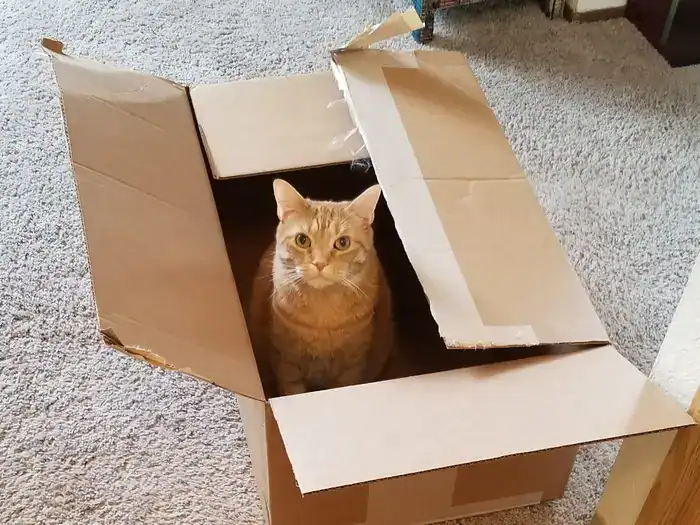
Place It In A Quiet Location
Cats often prefer a peaceful corner rather than the middle of a busy room.
Add A Soft Blanket If Desired
Although not required, a towel or blanket can make the box even more inviting.
Offer Multiple Boxes Over Time
Rotating boxes keeps things fresh and stimulating.
A Simple Box Can Bring Your Cat Comfort And Joy
A cardboard box may seem humble, but for a cat, it’s a place of safety, warmth, and playful excitement. Understanding why cats love boxes helps us appreciate their instincts and emotional needs.
Whether your feline companion uses a box to relax, hide, or play, this behavior reflects a healthy and natural part of being a cat.

Next time a delivery arrives, let your cat explore the box before you recycle it. You might smile as they curl up inside, hop around with excitement, or drift off into the coziest nap imaginable.
A simple cardboard box can make your cat’s day—and bring a little extra joy into your home as well.

I’m Chris, a lifelong cat lover and rescue advocate based in Austin, Texas. What started with one scruffy shelter cat ten years ago turned into a mission — sharing the stories of cats who got their second chance. I believe every rescue cat has a tale worth telling, and I’m here to tell them. When I’m not writing, I’m probably being ignored by my own three rescues