
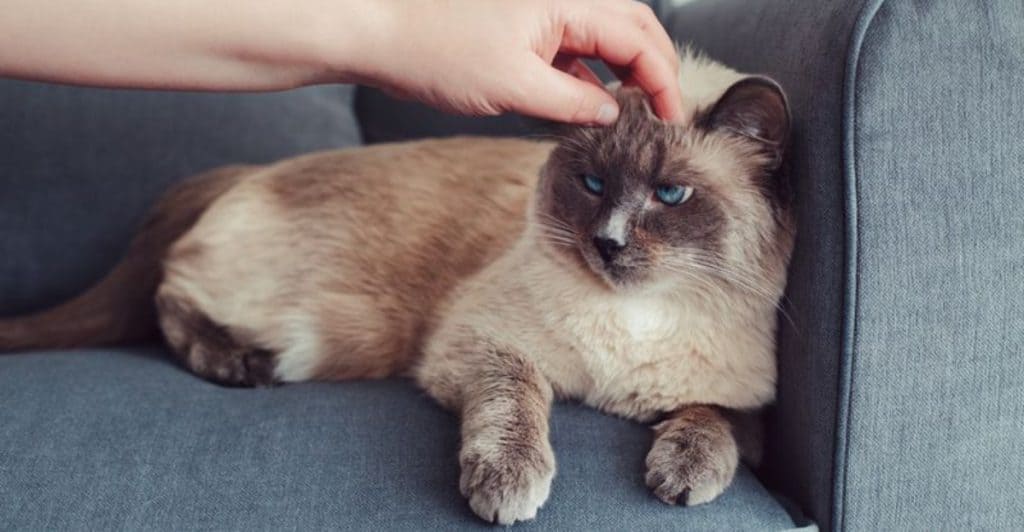
Most longtime cat lovers have experienced it: one moment your cat is curled up beside you, purring like you’re the center of their world, and the next they’re pretending you vanished into thin air.
Although this sudden switch can feel personal, it rarely is. Cats have complex emotional and physical needs, and their quiet withdrawal usually has a logical explanation.
By recognizing these subtle feline signals, you can better support your companion and strengthen the relationship you share.
Below are some expert-backed reasons your cat may seem distant — and how to understand what they’re trying to tell you.
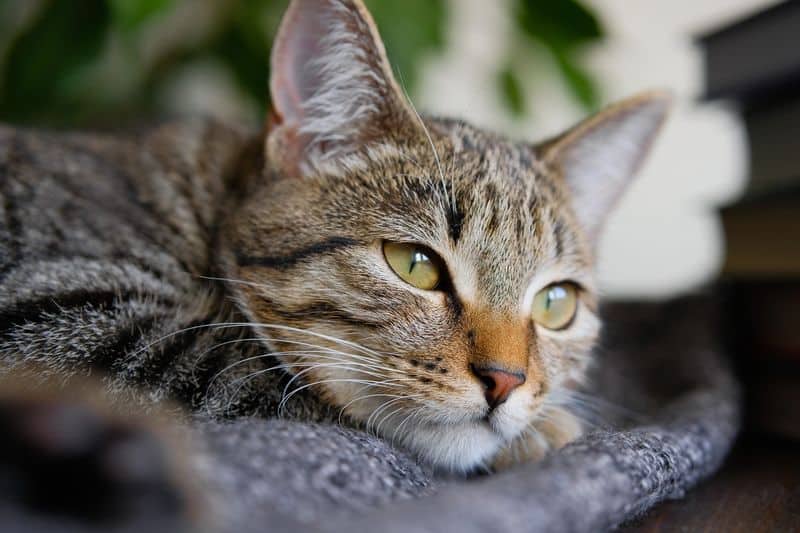
1. Your Cat May Be Experiencing a Low-Mood Day
Even the most affectionate cats go through moments when they simply want to be left alone. Cats, much like people, have emotional rhythms. Some days they crave closeness, while other days they retreat to collect themselves.
A temporary shift in mood isn’t a sign of rejection, nor does it mean you’ve done anything wrong. Give your feline friend a little space, and you’ll often find they come seeking your lap again once their mood resets.
2. They Might Be Overstimulated From Petting
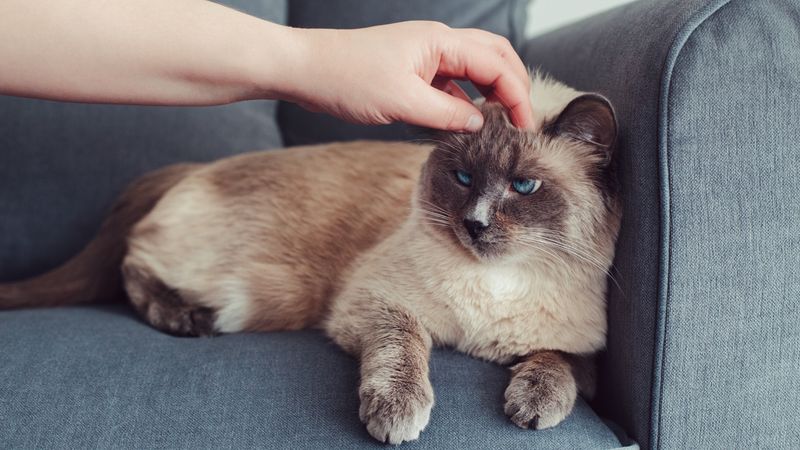
Cats have highly sensitive skin packed with nerve endings. When they’ve had enough physical interaction — even with gentle petting — their nervous system can become overwhelmed.
Signs such as a flicking tail, twitching skin, or folded ears are subtle ways your cat asks for a break. Respecting these cues helps prevent stress and keeps interactions positive, especially for older or more sensitive cats.
3. Something Else Has Captured Their Attention
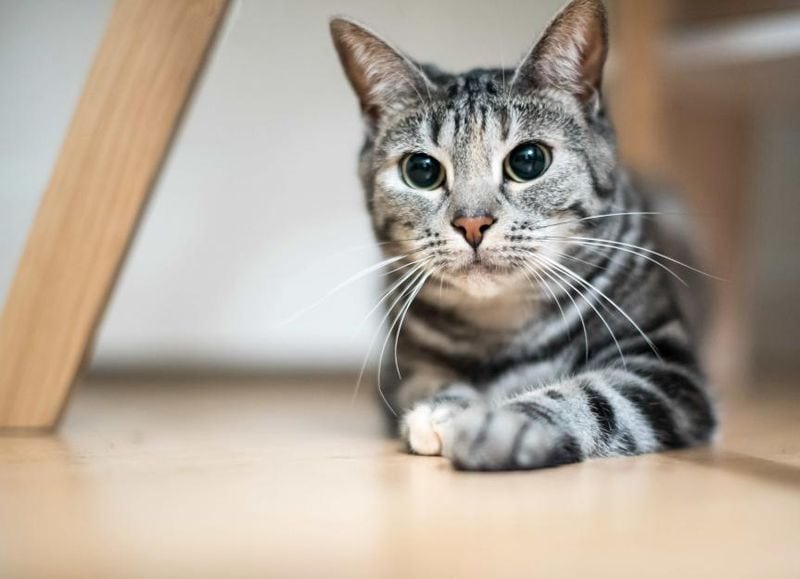
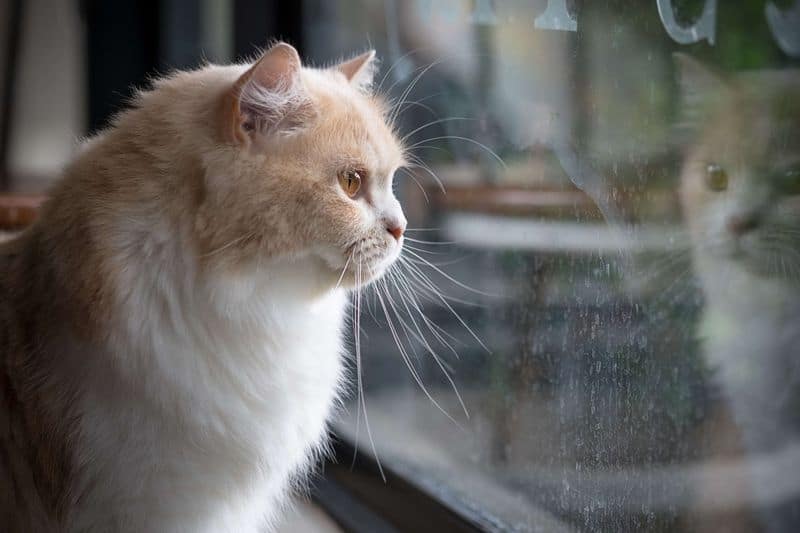
A rustling leaf, a dancing shadow, or a distant noise may suddenly become more interesting than anything else happening in the room.
Cats are natural hunters, and even indoor felines possess strong instincts that trigger intense focus.
When their attention is locked onto moving objects or unfamiliar sounds, they may ignore you temporarily — not out of disrespect, but because their instincts have taken over.
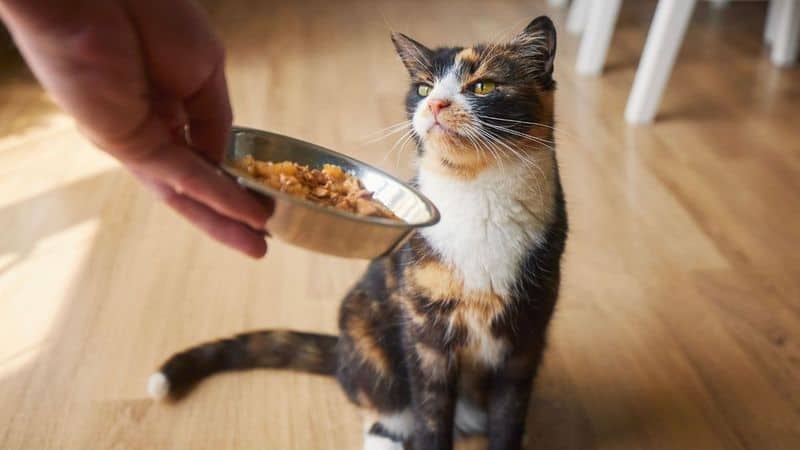
4. They May Be Upset With the Current Menu
Cats are known for their selective eating habits. A sudden refusal to engage with you might simply be their dramatic way of expressing displeasure about a particular food.
Changes in brand, texture, or flavor can cause hesitation or even a full boycott.
Before assuming emotional distance, consider whether a recent food switch could be behind your cat’s chilly behavior.
5. Withdrawal Can Be a Sign of Physical Discomfort
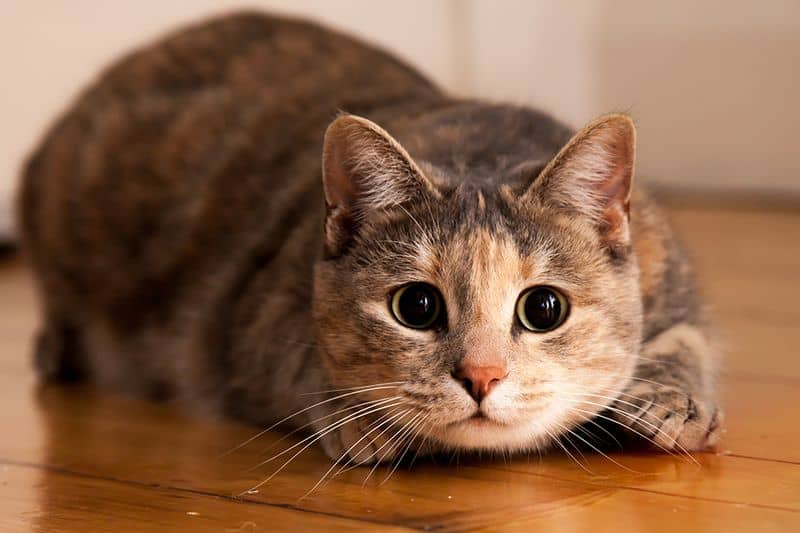
One of the most important reasons to pay attention to a quiet or distant cat is the possibility of pain.
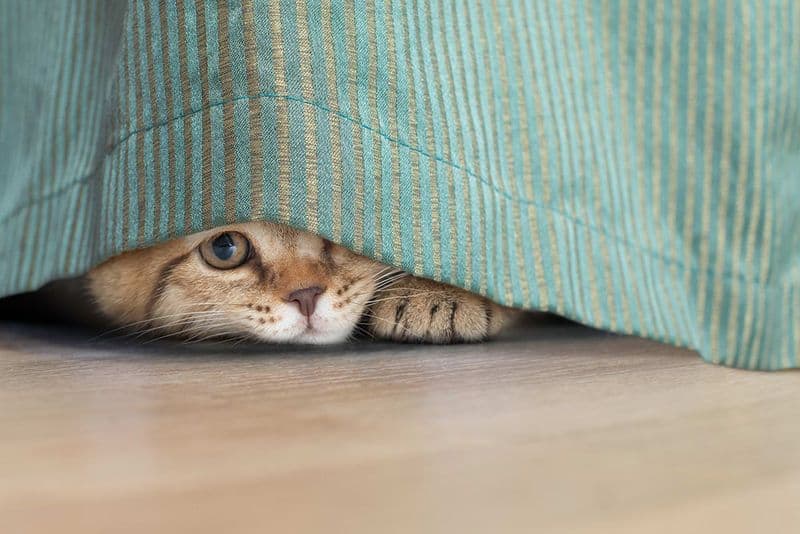
Cats instinctively hide discomfort because it’s a survival mechanism passed down from their wild ancestors. If your normally sociable cat begins hiding, avoiding touch, or acting withdrawn, this may be their way of signaling that something isn’t right.
Dental pain, arthritis, stomach upset, or other medical issues can cause this shift. It’s wise to contact your veterinarian if the behavior continues.
6. Stress or Anxiety Might Be Affecting Their Behavior
Cats thrive when their routines stay predictable. Even small changes — a new scent brought in on your clothes, visitors in the home, a rearranged piece of furniture — can unsettle them. Life events such as moving, renovations, or introducing a new pet can intensify anxiety.
During these times, many cats retreat to quiet spaces to feel safe. Offering calm reassurance, familiar bedding, and predictable routines can ease the transition.
7. Your Cat May Simply Need Solitude
Quiet time is essential for feline wellbeing. Cats often spend large portions of their day resting, observing, or sleeping in peaceful spots.
If your companion disappears for a while, it usually means they’re recharging.
Forcing affection during these private moments can make them feel cornered. Allow them this independence, and they’ll return to you when they’re ready for companionship.
8. You Might Be Receiving the Feline “Silent Treatment”
Although they may seem gentle, cats can express disapproval in surprisingly human ways.
If their routine was disrupted — maybe you were away for a few days, accidentally stepped on a paw, or brought them to the veterinarian — they might distance themselves for a short period.
This behavior is their subtle way of saying, “I didn’t like what happened.” Patience, soft voices, and a few treats usually help mend the moment.
9. Seasonal Shifts Can Influence Their Social Behavior
Changes in daylight and temperature affect your cat’s internal rhythms. During colder months, many cats sleep more and interact less.
Extremely hot weather can also reduce their desire to socialize. Hormones and energy levels fluctuate with seasonal patterns, so you may notice occasional stretches where your cat prefers quiet resting periods over play or affection.
These phases are usually temporary.
10. Territorial Concerns Might Be at Play
Cats build their sense of safety through familiar scents and predictable boundaries.
When a new pet enters the home, when guests bring unfamiliar smells, or when you return carrying scents from outside, your cat may feel uncertain. Ignoring you gives them time to reassess their surroundings and rebuild confidence.
Providing consistent routines and secure hiding spaces helps them adjust more comfortably.
11. They’re Simply Not in the Mood for Affection
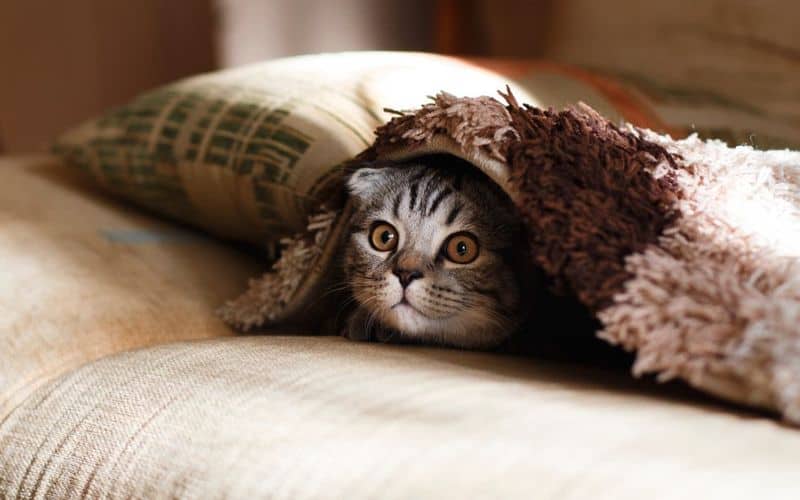
Unlike dogs, who often crave constant closeness, cats enjoy social interaction on their own terms. There will be moments when even the friendliest feline doesn’t feel cuddly.
This independence isn’t a flaw — it’s part of what makes cats unique companions. Respecting your cat’s boundaries fosters trust and deepens your bond over time.
12. They May Have Found a More Appealing Resting Spot
Cats are experts at finding comfort. A warm sunbeam, a cardboard box, or a favorite blanket might win their attention over your lap on any given day.
Their decision to nap elsewhere isn’t a personal rejection. It’s simply their way of choosing the coziest environment available at that moment.
Chances are, once the lighting changes or the box loses its charm, they’ll return to you.
A Quiet Cat Is Usually Communicating Something
When a beloved cat suddenly keeps their distance, it’s natural to feel concerned — especially if you share a close bond. In most cases, though, their quiet behavior reflects instinct, mood, or environmental changes rather than personal rejection.
By watching for subtle signs, respecting their boundaries, and paying attention to shifts in health or routine, you can better support your feline friend through every phase of their emotional life.
Understanding these behaviors not only strengthens your relationship but also helps ensure your cat feels secure, respected, and deeply loved — even on days when they seem to ignore you entirely.

I’m Chris, a lifelong cat lover and rescue advocate based in Austin, Texas. What started with one scruffy shelter cat ten years ago turned into a mission — sharing the stories of cats who got their second chance. I believe every rescue cat has a tale worth telling, and I’m here to tell them. When I’m not writing, I’m probably being ignored by my own three rescues