


Every cat lover wants their furry companion to enjoy a long, comfortable, and vibrant life. One of the most important ways to support that goal is by choosing the right nutrition.
While cats may seem independent and low-maintenance, their dietary needs are highly specific. The quality of food a cat eats each day can influence everything from energy levels to kidney health and even longevity.
Cats are obligate carnivores, which means they rely on nutrients found naturally in animal tissues to survive.

Their bodies are not designed to thrive on plant-based ingredients alone, and they require essential amino acids — especially taurine — to keep their hearts, eyes, and immune systems functioning properly.
Because of this, selecting appropriate cat food can feel overwhelming, especially for new pet parents who are confronted with countless options at the store.
Thankfully, knowledgeable experts help bridge the gap. One of them is Michelle, a respected cat nutrition specialist who shares detailed advice with cat owners on TikTok.
@missfeministkitty #catsoftiktok #cattok #cathealth #catnutrition #catfood #catfoodtips #drycatfood #kibble #worstcatfoods #catfoodreview #cat ♬ Mysterious and sad BGM(1120058) – S and N
In one of her educational videos, she highlights four common cat food ingredients that pet parents should limit or avoid entirely. Her list goes from number four to number one, and each point includes an explanation that helps caregivers make smarter decisions at mealtime.
Understanding What Belongs in a Cat’s Bowl
The modern pet food industry offers a huge variety of products — from canned dinners to kibble and raw formulas — each marketed as the perfect solution. But the truth is that ingredient quality matters far more than the packaging.
Cats need highly digestible animal protein, healthy fats, and the right vitamins and minerals. Unfortunately, some manufactured foods rely on fillers or inexpensive components that don’t support a cat’s long-term health.
Michelle’s advice gives cat guardians a straightforward way to evaluate what they’re feeding their pets.
By learning which ingredients may be harmful or unnecessary, you can choose diets that better match your cat’s natural nutritional needs.
#4 Fish and Fish-Based Recipes
Although many cats enjoy the smell and taste of fish, Michelle encourages cat parents to use fish-based foods sparingly.
Fish can contain higher levels of iodine and mercury compared to other protein sources. These elevated levels may contribute to thyroid or kidney issues when cats consume fish too frequently.
Fish-processing environments can also introduce environmental contaminants that accumulate in a cat’s body over time.
Michelle explains that she does offer fish to her own cats, but only in moderation and mixed with other animal proteins. Fish should be an occasional treat, not a cat’s main protein source.
This approach reduces the risk of dietary imbalances and helps maintain overall wellness. Many cats thrive when their primary proteins come from poultry or small mammals, which more closely resemble what they would eat in nature.
#3 Foods High in Carbohydrates
Carbohydrates appear in many commercial diets, especially dry kibble. While these ingredients help bind kibble together, they offer very little nutritional value for cats.
Michelle points out that cats have no biological requirement for carbohydrates.
Excess carbs can strain a cat’s metabolism, contribute to weight gain, and increase the likelihood of diabetes — a condition that is becoming more common in older and indoor cats.
Although carbohydrates can be tolerated in small amounts, large quantities can overwhelm a cat’s system.
Pet parents who rely heavily on dry food should be particularly mindful of this. Choosing lower-carb formulas, or providing a mixture of wet and dry food, can help reduce unnecessary carbohydrate intake.
#2 Wheat Gluten
Wheat gluten is another ingredient Michelle recommends avoiding. It is commonly added to improve the texture of gravy-style foods or to artificially boost protein numbers on a label.
However, this type of protein doesn’t offer meaningful nutritional benefits for cats.
Large amounts of wheat gluten can cause digestive upset in sensitive cats and may contribute to inflammation.
Because cats are biologically built to process animal protein, plant-derived proteins such as wheat gluten do not meet their full nutritional needs. When evaluating food labels, prioritize products where the first ingredients come from animal sources rather than grains or fillers.
#1 Plant-Based Protein Sources
The ingredient Michelle avoids more than any other is plant-based protein. This includes pea protein, corn gluten meal, and soy protein, all of which appear frequently in lower-cost commercial foods.
Manufacturers often add these ingredients to increase protein percentages while keeping costs down. However, these proteins lack the complete amino acid profile cats require.
Cats cannot efficiently digest plant-based proteins, which means their bodies work harder to extract limited nutritional value. Over time, this can affect muscle maintenance, immune strength, and organ function.
For this reason, Michelle encourages cat parents to prioritize foods made primarily from animal tissues — such as chicken, turkey, beef, lamb, or rabbit — to ensure their cats receive essential amino acids in forms their bodies can use.
How to Choose Healthier Food for Your Cat
Selecting the right diet doesn’t need to be complicated. Here are a few expert-supported guidelines:
Read the Ingredient List
Look for animal proteins in the first few ingredients. Avoid foods where plant proteins or grains appear near the top.
Limit Carbohydrates
Wet food often contains fewer carbs than kibble, making it a strong option for many cats, especially seniors.
Watch for Artificial Additives
Unnecessary colors, preservatives, and flavors add no nutritional value and may irritate sensitive stomachs.
Consider Your Cat’s Age and Lifestyle
Kittens, seniors, and indoor-only cats all have slightly different needs. Adjust food choices based on life stage and activity level.
Consult a Veterinarian for Special Conditions
Cats with kidney disease, diabetes, allergies, or digestive issues may require customized diets.
The Bigger Picture: Why Nutrition Matters So Much
Poor nutrition may not cause immediate problems, but the long-term effects can be serious. A diet that’s too high in carbohydrates or loaded with low-quality proteins can contribute to obesity, skin problems, urinary issues, and chronic disease.
On the other hand, high-quality nutrition helps support healthy aging, strong joints, bright eyes, balanced digestion, and a healthy weight — all of which improve a cat’s quality of life.
Cat parents often underestimate how strongly diet affects behavior, coat condition, and energy levels. Many senior cats become more playful and alert once they switch to better-quality food.
Even picky eaters may show renewed interest when offered flavorful, moist, protein-rich meals that closely resemble what their bodies naturally crave.
Loving Your Cat Through Better Nutrition
With guidance from experts like Michelle, cat parents can make confident decisions that support their pets’ long-term well-being.
By understanding which ingredients to avoid — such as excessive fish, plant-based proteins, unnecessary carbohydrates, and wheat gluten — we can choose foods that truly nourish our cats from the inside out.
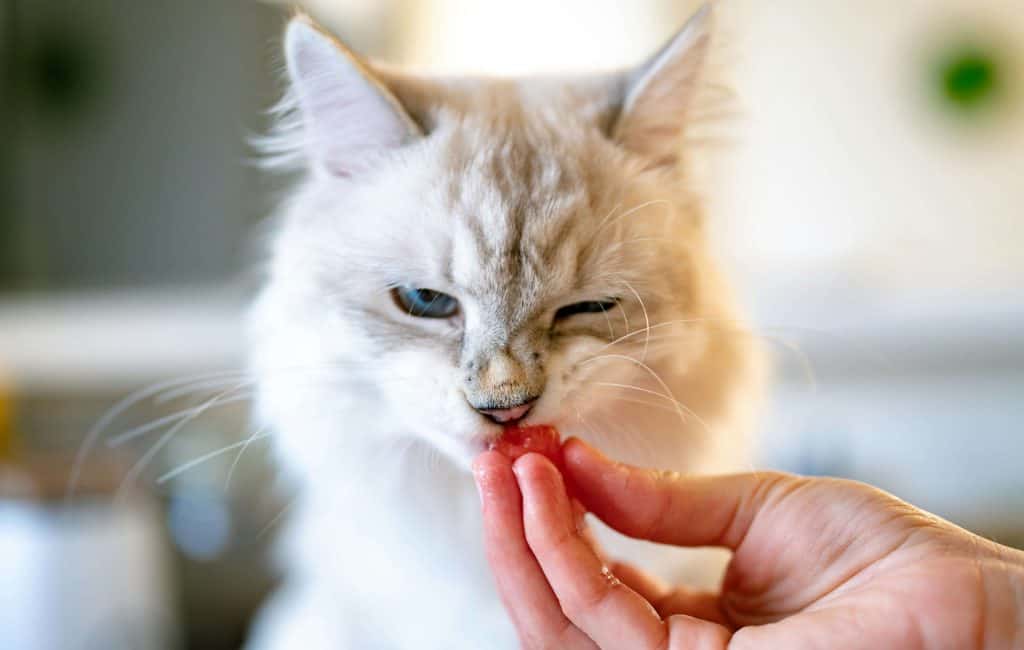
Every thoughtful choice at mealtime helps prevent future health problems and keeps our companions strong as they age.
When we prioritize proper nutrition, we give our cats the best chance at a long, happy, and healthy life — and that is one of the greatest gifts a devoted cat parent can offer.

I’m Chris, a lifelong cat lover and rescue advocate based in Austin, Texas. What started with one scruffy shelter cat ten years ago turned into a mission — sharing the stories of cats who got their second chance. I believe every rescue cat has a tale worth telling, and I’m here to tell them. When I’m not writing, I’m probably being ignored by my own three rescues