

Proper hydration is just as vital for our pets as it is for us. Veterinarians frequently remind owners that water plays a central role in nearly every biological process.
Dogs and cats rely on it to regulate temperature, support digestion, transport nutrients, and maintain healthy organs.
With water making up roughly 60% of a dog’s body weight — and even more for cats — dehydration can develop faster than many people realize.
Whether you’re caring for a spunky senior pup or a quiet indoor cat, understanding how to encourage healthy drinking habits can protect them year-round.
Below are expert-backed strategies that help pets stay comfortably hydrated, even in challenging weather conditions.
1. Offer Clean, Fresh Water Throughout the Day
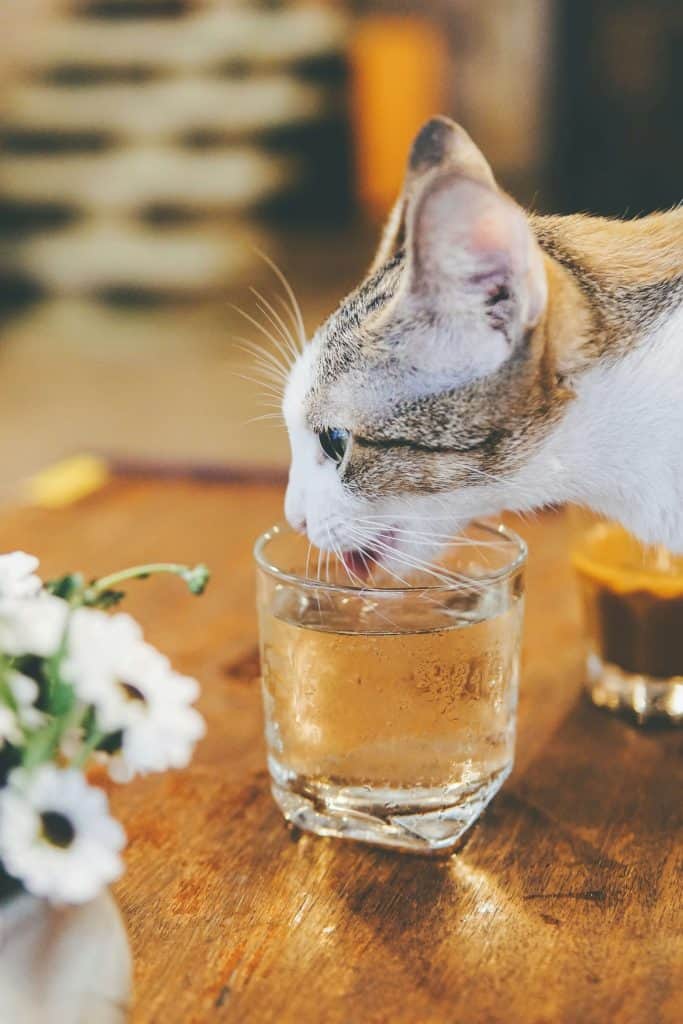
Pets are far more likely to drink when their water is clean and appealing. Stale or murky water collects bacteria quickly, especially in warm rooms, and that can discourage even thirsty pets from taking a sip.
Refreshing the bowl at least twice a day keeps it inviting. It also helps to scrub bowls regularly, because a slimy residue — called biofilm — forms faster than many owners expect.

The location of your water bowls makes a meaningful difference. Try placing more than one station around the home, especially near areas where your pet naps or plays.
Keeping water in quiet, low-traffic areas can encourage shy cats or anxious dogs to drink more comfortably.
For outdoor animals, automatic refilling systems ensure they never run out, even when you’re busy.
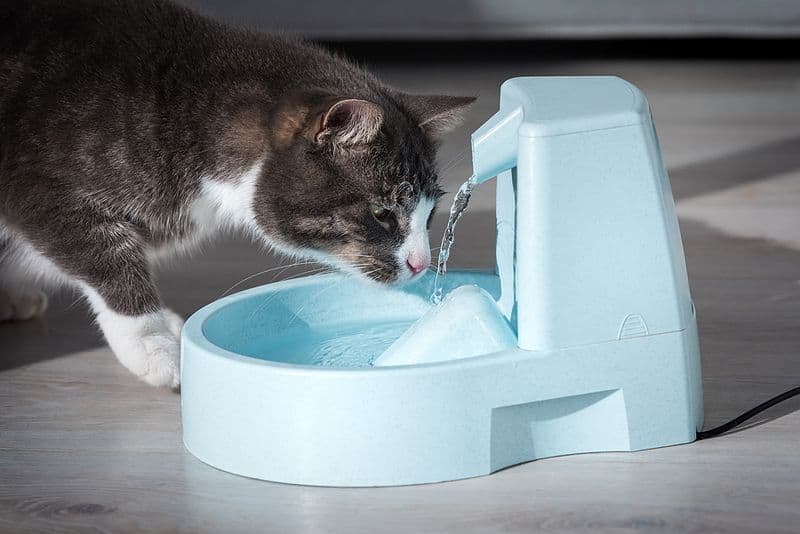
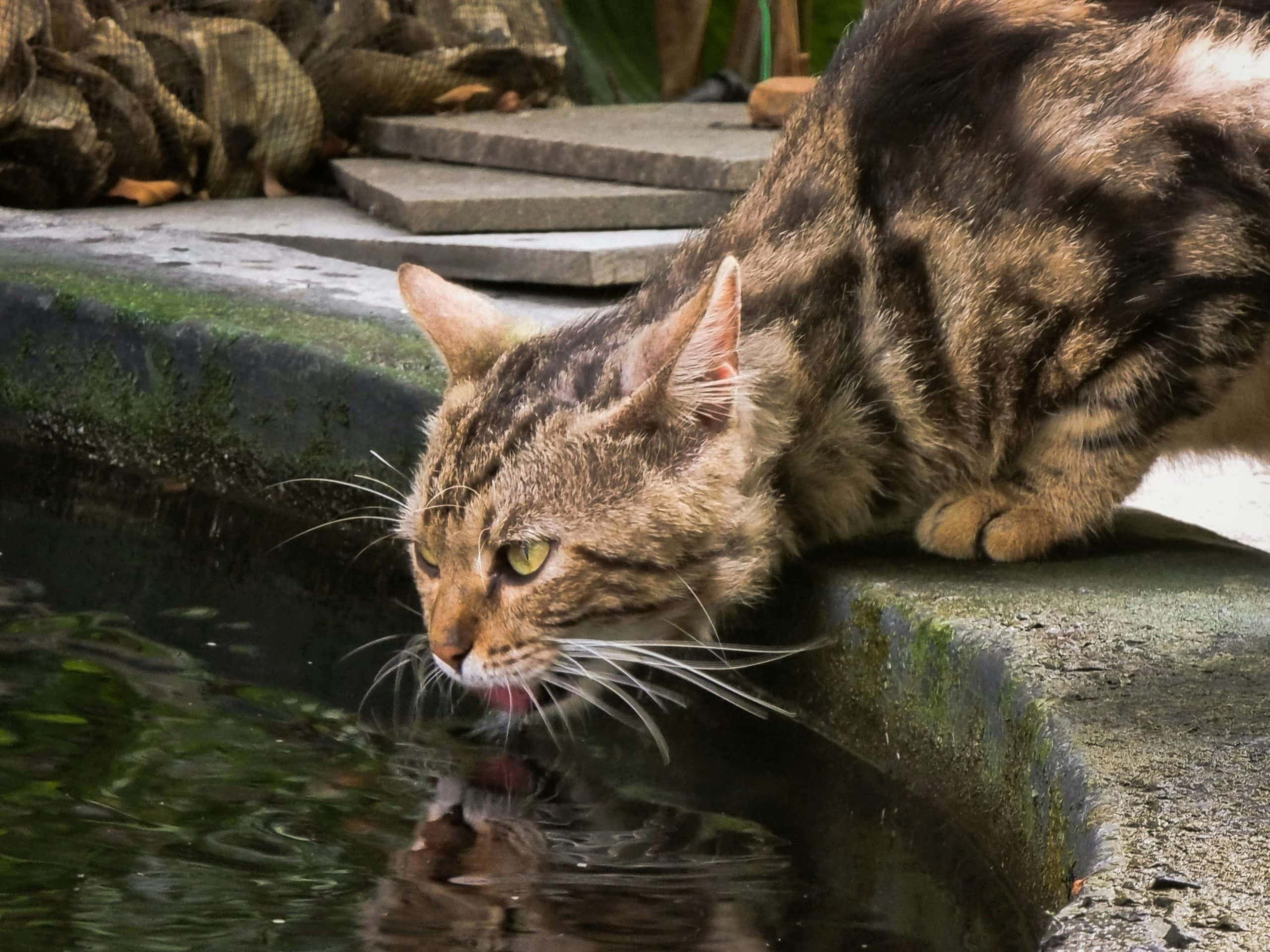
Many cats instinctively prefer running water, as it resembles the flowing streams their ancestors drank from. Pet fountains, which continuously circulate and filter water, can be extremely helpful for felines who tend to be picky about their hydration.
2. Watch Activity Levels and Adjust Hydration Needs
Exercise affects hydration more than many owners realize.
Pets lose moisture as they pant, especially when they’re excited or active outdoors. During warmer months, even a short walk can deplete their fluid reserves.
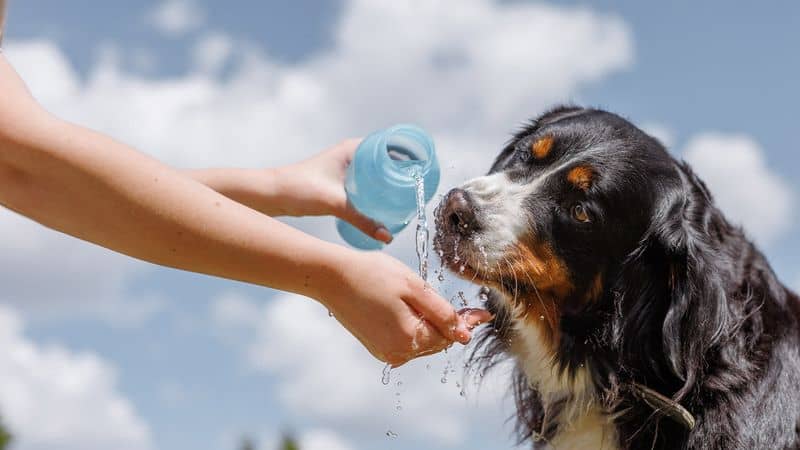
A simple habit can make a big difference: bring a collapsible water bowl on walks or day trips. Offering small drinks every 15–20 minutes, especially in humid weather, prevents early dehydration.
Choosing cooler exercise times, such as early morning or late evening, also protects pets from overheating.
Some animals are naturally more sensitive to heat. Flat-faced breeds like pugs and bulldogs struggle to cool themselves efficiently.
Older pets often tire faster and require more breaks. Keeping a close eye on these vulnerable groups during exertion is essential for their comfort and safety.
3. Boost Hydration by Adding Wet Food to the Diet
Diet plays a major role in hydration. Dry kibble contains only about 10% moisture, while wet food can contain seven times more. This difference makes canned food extremely useful for animals who don’t naturally drink enough.
Combining wet and dry food offers the best of both worlds — moisture from the canned portion and texture from the kibble.
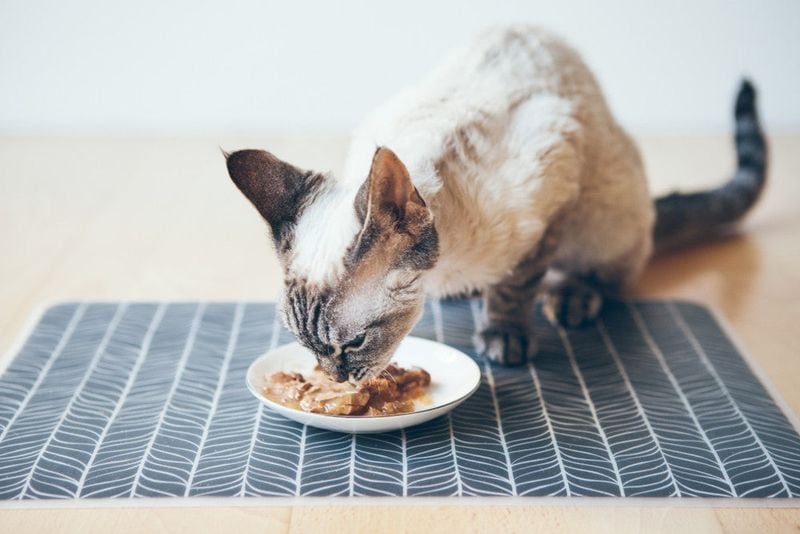
If your pet is unsure about the change, mix in small amounts of wet food at first and gradually increase. Warming wet food just slightly can make it more fragrant and enticing.
Cats, in particular, benefit enormously from moisture-rich meals. Their ancestors survived in desert climates, where their prey provided most of their hydration.
Because of this natural low-thirst instinct, cats drinking “too little” is common. Wet food helps fulfill their hydration needs without relying solely on water bowls.
4. Create Cool Environments During Hot Weather
Hot temperatures put pets at high risk of dehydration. Dogs cool themselves primarily through panting, while cats release heat through their paws. Both lose precious moisture faster when the weather turns oppressive.
Help them stay comfortable by offering cool zones around your home.
Tile floors, shaded rooms, and specialized cooling mats can lower body temperature naturally. Keeping blinds closed during the peak of the day also helps prevent indoor heat buildup.
One of the most dangerous situations for any pet is being left inside a parked vehicle. Heat rises rapidly — often by 20 degrees or more within minutes — and that can become life-threatening even on a mild day.
No amount of cracked windows can keep a pet safe in those conditions.
Cooling vests offer additional protection for dogs who spend time outdoors. These garments use evaporation to gently lower body temperature, making warm-weather strolls far safer and more comfortable.
5. Use Ice Cubes and Pet-Safe Broths to Encourage Drinking
Some pets simply enjoy drinking more when it’s fun. Ice cubes can spark curiosity, offering both play and hydration at once.
You can drop them directly into the water bowl or give them as small treats to crunch. They also help keep outdoor water bowls cooler for longer on hot afternoons.
Low-sodium chicken or bone broth is another helpful tool. Many pets love the flavor, and when frozen into cubes, it becomes a cooling treat packed with moisture.
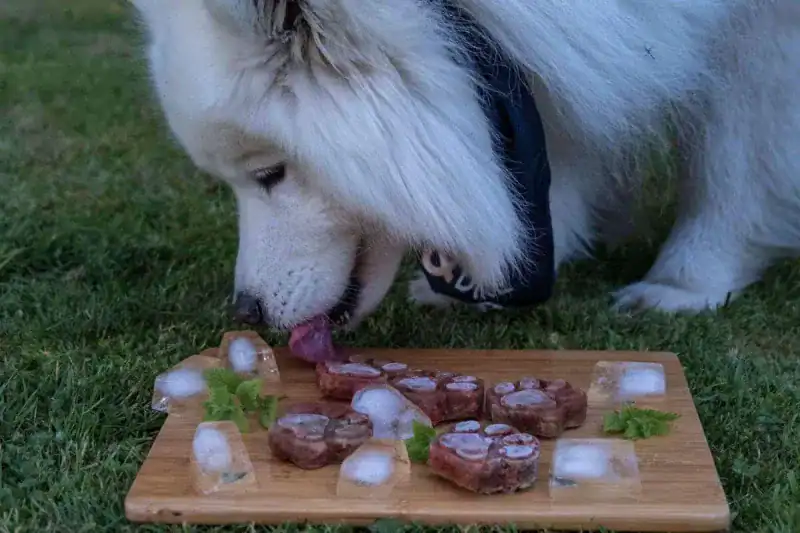
If you prepare broth at home, avoid onions, garlic, and excessive salt, which can be harmful to animals.
Bone broth also contains collagen and nutrients that support digestion and joint health, making it especially appealing for senior pets who may benefit from added nourishment.
6. Learn to Recognize Early Signs of Dehydration
Catching dehydration early can prevent a mild issue from turning into a medical emergency. A quick technique used by many veterinarians is the skin elasticity test.
Gently lift the skin at your pet’s shoulders, then release it. Hydrated skin snaps back immediately; if it stays tented, dehydration may be present.
Gums also reveal hydration status. Healthy gums look glossy and pink. If they feel sticky or appear pale, that can indicate fluid imbalance.
You can also press a fingertip to the gum and watch how quickly the color returns. Slow refill times may suggest dehydration.
Changes in daily behavior often appear before visible physical signs. A normally energetic pet who becomes sleepy, avoids food, or produces dark, concentrated urine may need immediate hydration support.
When symptoms persist, veterinary care is essential.
Small Habits Make a Big Difference
Keeping pets well-hydrated does not require complicated routines.
With clean water, mindful feeding choices, and simple daily habits, you can protect your furry companions from the dangers of dehydration year-round.
Paying attention to your pet’s behavior and environment helps you spot concerns early and respond quickly — giving your beloved companions the healthy, comfortable lives they deserve.

I’m Chris, a lifelong cat lover and rescue advocate based in Austin, Texas. What started with one scruffy shelter cat ten years ago turned into a mission — sharing the stories of cats who got their second chance. I believe every rescue cat has a tale worth telling, and I’m here to tell them. When I’m not writing, I’m probably being ignored by my own three rescues