

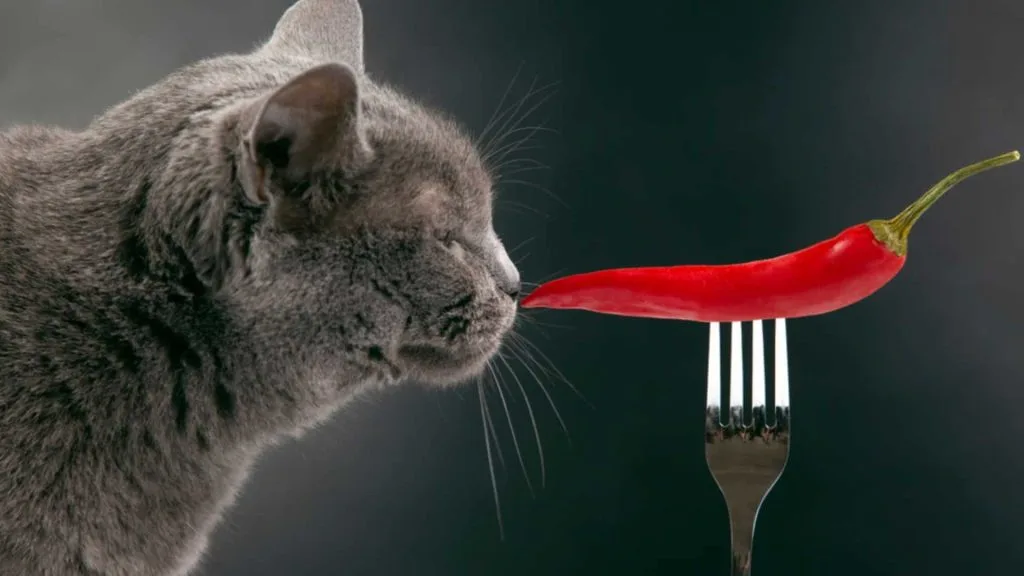
Many of us know the feeling: you sit down to enjoy a warm bowl of curry or chili, and suddenly your sweet cat appears beside you, eyes wide and hopeful.
It can be hard to resist sharing a taste, especially when your kitty seems fascinated by the aroma.
But before offering even a tiny bite, it’s important to understand how cats react to spicy food and whether they should be eating it at all.
This guide explains how cats experience spiciness, why some cats seem attracted to spicy dishes, and what risks spicy ingredients may pose.
By the end, you’ll know exactly how to keep your feline safe and comfortable.
Do Cats Actually Taste Spicy Foods?
When people eat spicy food, we feel a burning sensation on the tongue and in the mouth.
Cats experience the same discomfort because the ingredient that causes heat affects them, too. Even a light coating of spice can trigger an unpleasant burning feeling for a cat.
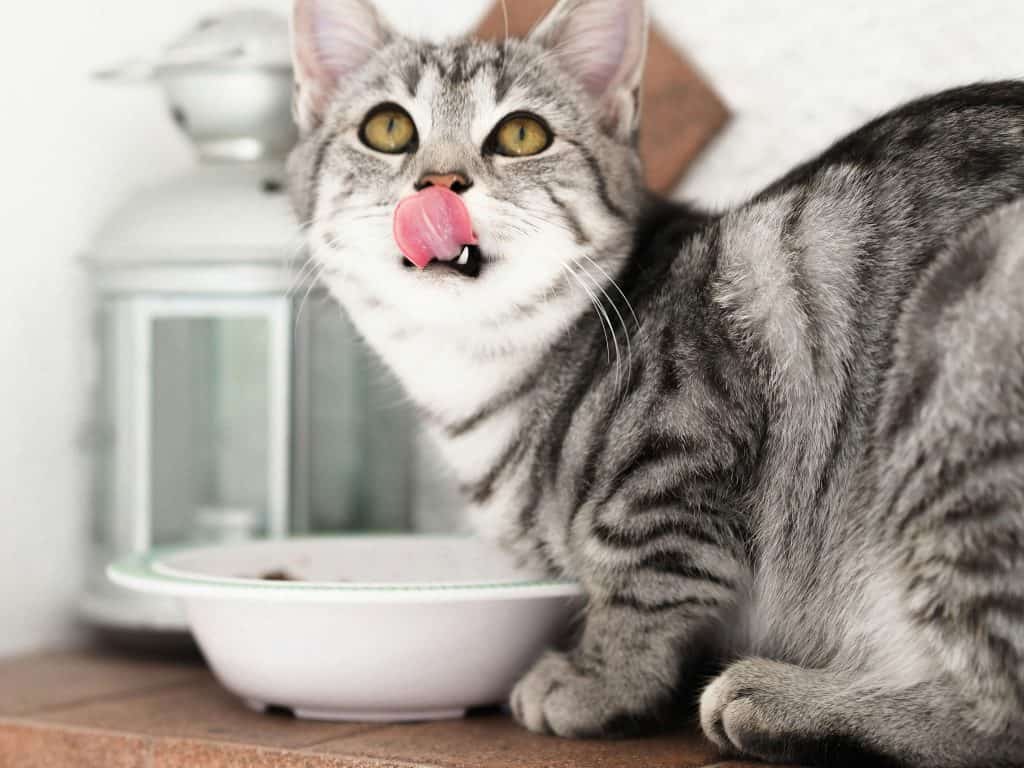
Cats are far more sensitive to spicy ingredients than humans. A dish that seems mild to you may feel extremely hot to your kitty.
Because their mouths are not adapted to handle spicy compounds, even a quick lick can cause irritation or discomfort.
What Causes the Spicy Sensation?
The burning feeling comes from capsaicin, a natural compound found in many chili peppers. When cats chew or lick food containing capsaicin, it binds to pain receptors in the mouth and throat.
This triggers the same “hot” sensation we feel — but in cats, the effect is often stronger.
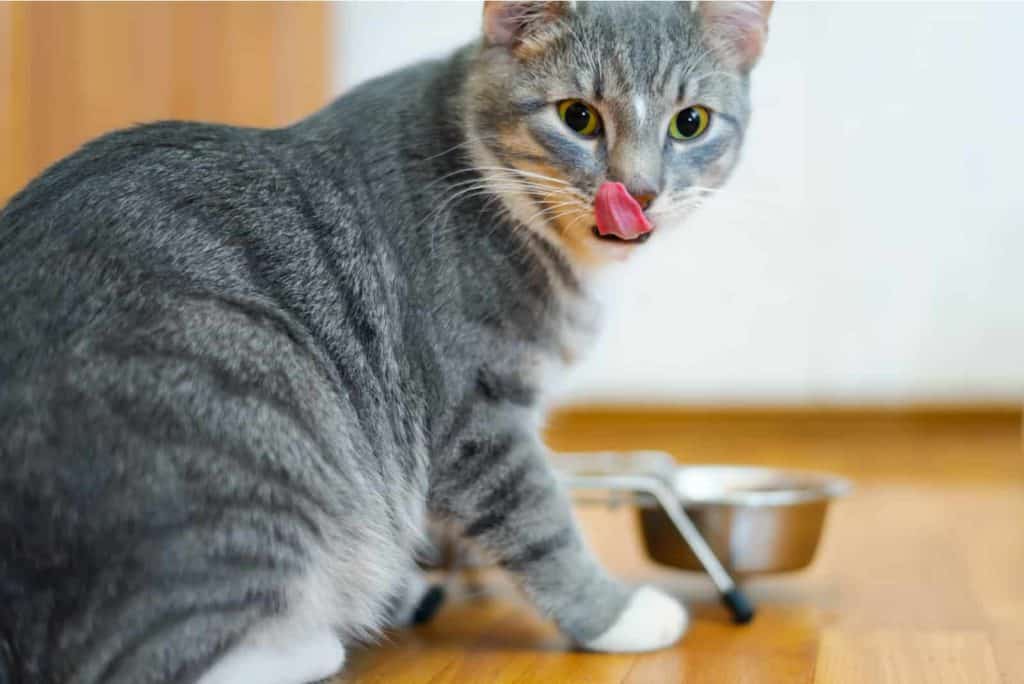
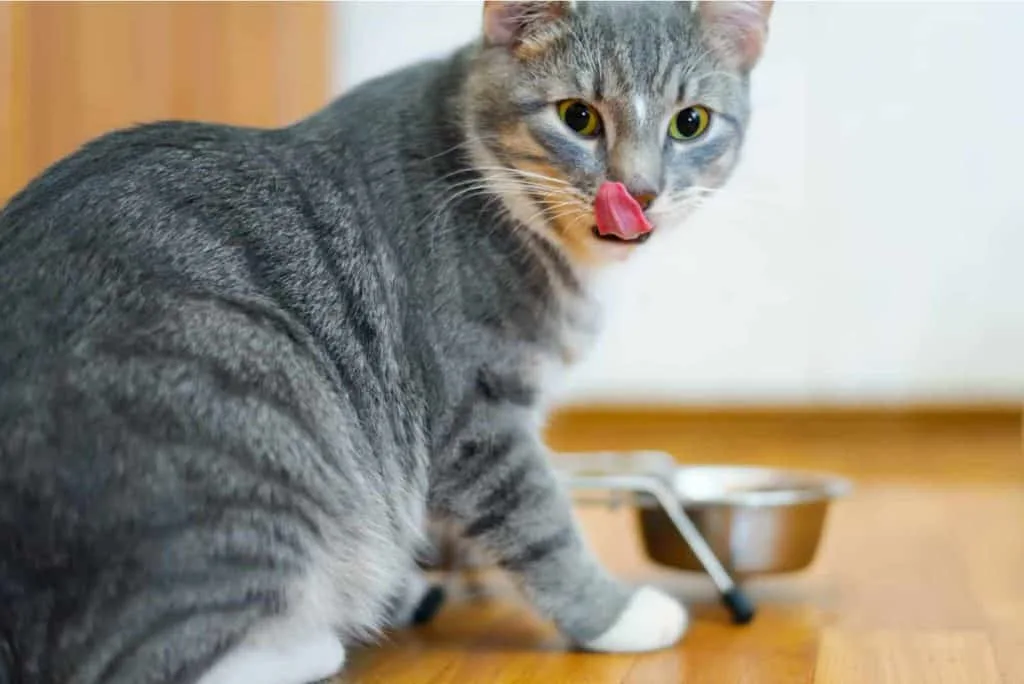
Capsaicin is so irritating to animals that it is frequently used as a natural pet deterrent in gardens and around furniture. It doesn’t take much to produce watering eyes, discomfort, or digestive upset.
Why Some Cats Seem Interested in Spicy Food
If spicy foods cause discomfort, why do some cats appear to want them? Surprisingly, they are rarely interested in the spice itself. Instead, they are responding to other appealing qualities in the dish.
Below are four reasons your cat might sit beside you whenever you have something spicy on your plate.
1. Spicy Meals Usually Contain Meat
Most spicy dishes include flavorful proteins such as chicken, beef, lamb, or turkey. Since cats are obligate carnivores, the scent of cooked meat instantly grabs their attention.
It’s not the spiciness they crave — it’s the smell of the protein. Their curiosity often gets the better of them, and they may mistakenly think your meal is something they’re allowed to eat.
2. Spicy Foods Have Strong, Tempting Aromas
Cats rely heavily on their sense of smell. Their noses contain millions of scent receptors, far more than humans, allowing them to detect subtle scents even from across the room.
Spicy foods tend to be aromatic, with warm and rich smells rising from the dish. Your cat may simply be drawn by the satisfying scent and want to investigate.
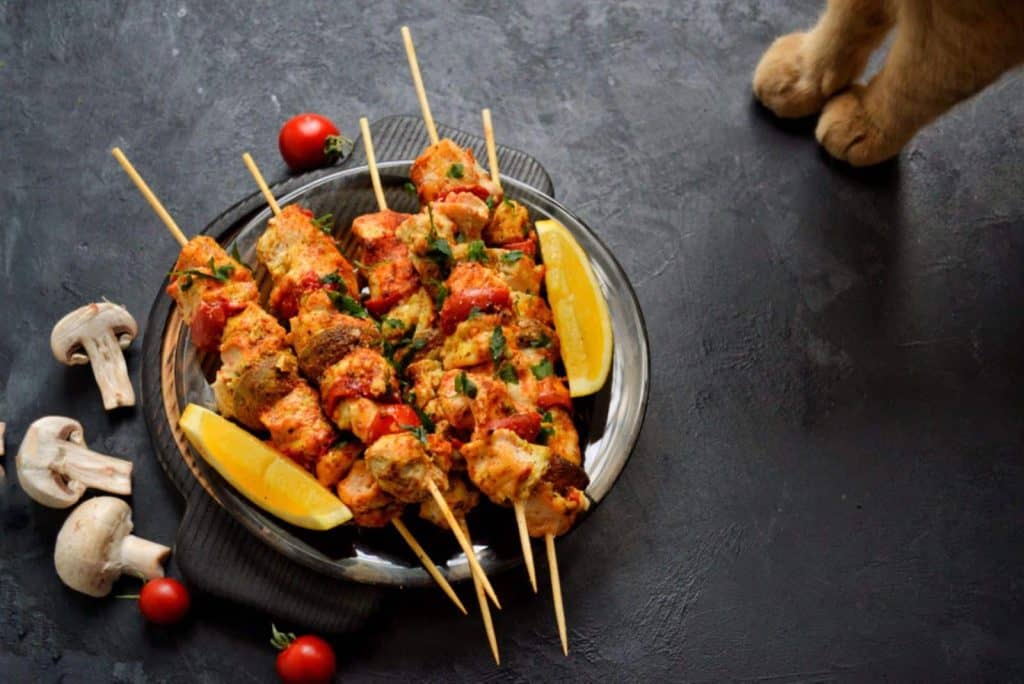
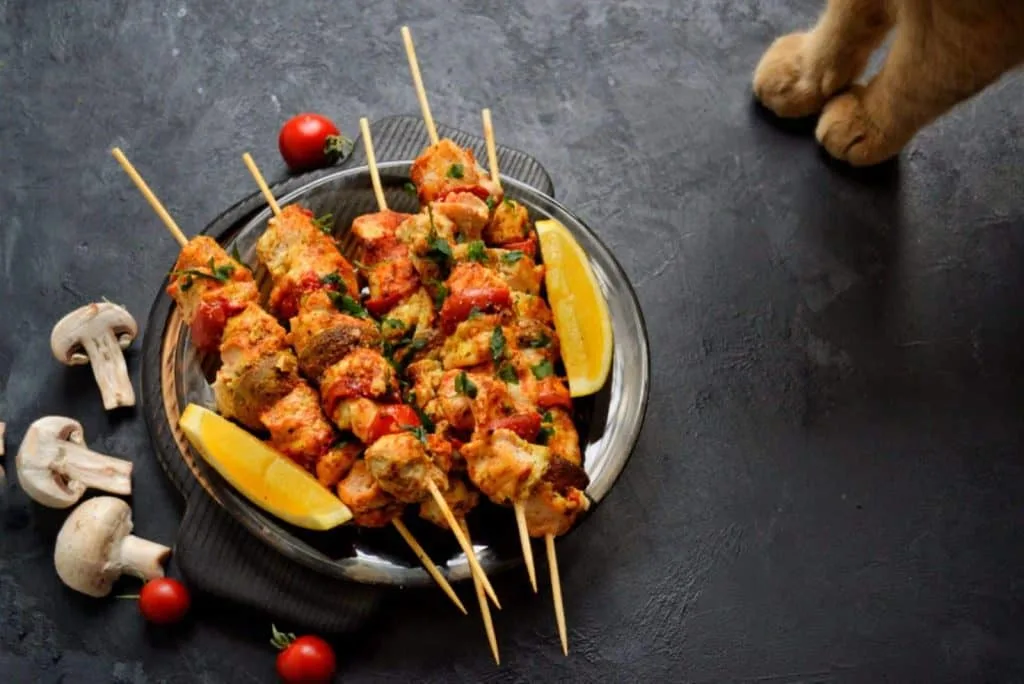
3. Cats Prefer Warm Food
Warm food resembles the temperature of freshly caught prey, which is one reason many cats dislike cold meals. A fragrant, warm dish—spicy or not—will often capture their interest.
If you’re enjoying a steaming bowl of soup or a plate of hot curry, the temperature itself may be what encourages your cat to come closer.
4. Some Cats Just Love Food
Some kitties have enthusiastic appetites and are naturally curious about human meals. A hungry or food-motivated cat will often show interest in anything you’re eating, regardless of the flavor.
Although some animals enjoy spicy foods, nearly all cats will dislike the burning sensation once they actually taste it.
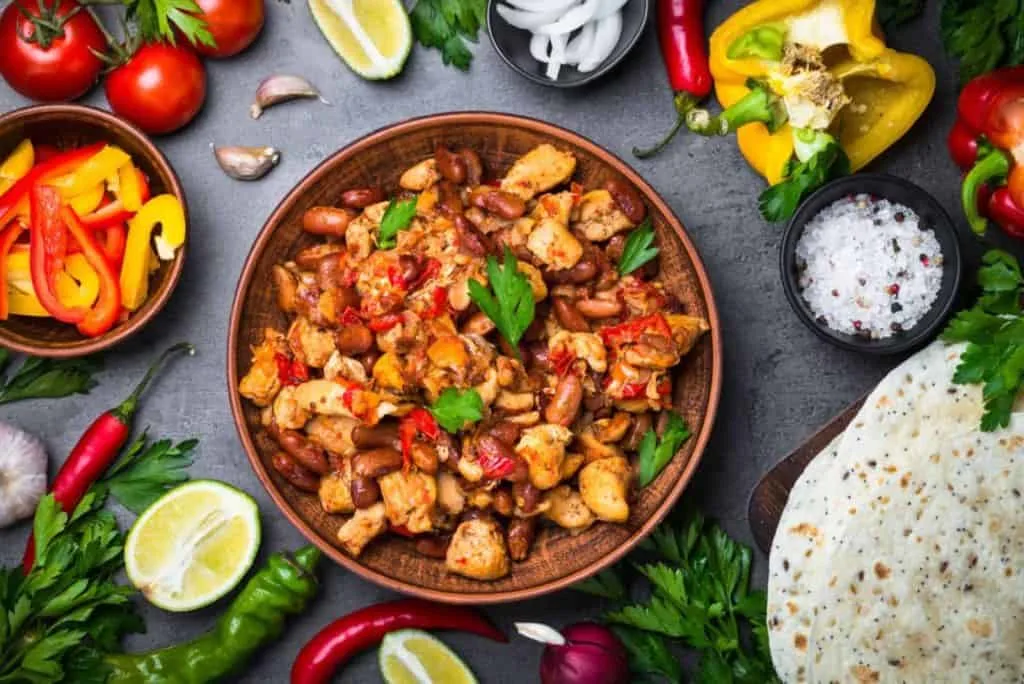
Is Spicy Food Safe for Cats?
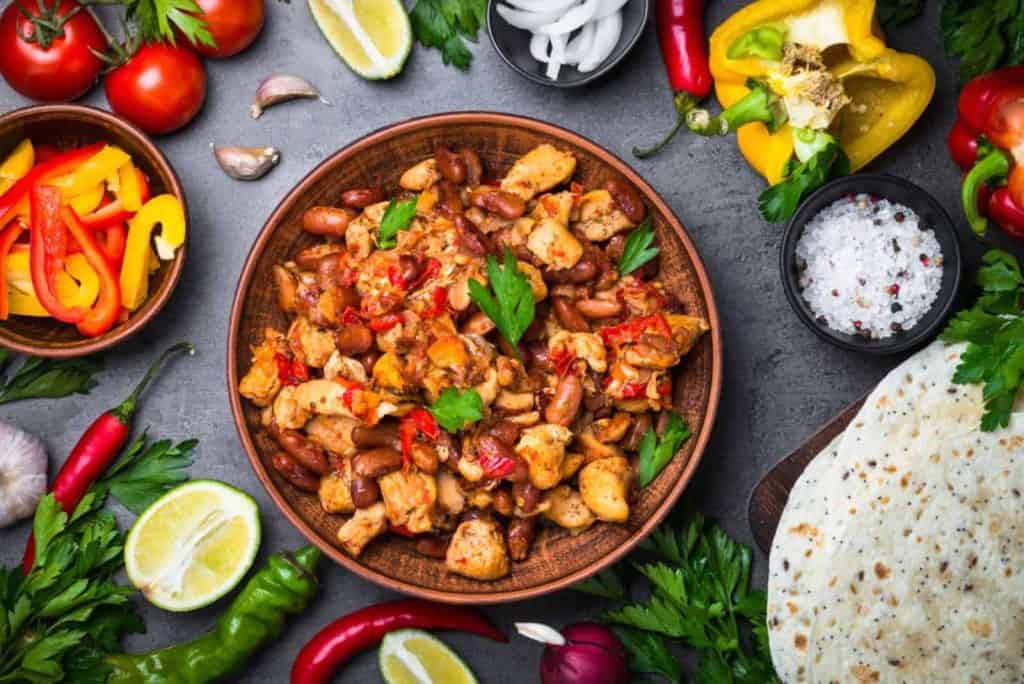
Cats should not be fed spicy foods. Even though a single lick usually isn’t dangerous, larger amounts can cause significant discomfort. Dishes containing chili peppers or other spicy ingredients expose your cat to capsaicin, which can irritate the mouth, throat, stomach, and digestive system.
Possible side effects include:
- Burning sensation in the mouth
- Irritated throat
- Runny nose or watery eyes
- Stomach pain
- Vomiting
- Diarrhea
- Dehydration
Cats with sensitive stomachs may react even more strongly. Because dehydration can set in quickly after vomiting or diarrhea, it’s best to avoid the risk altogether.
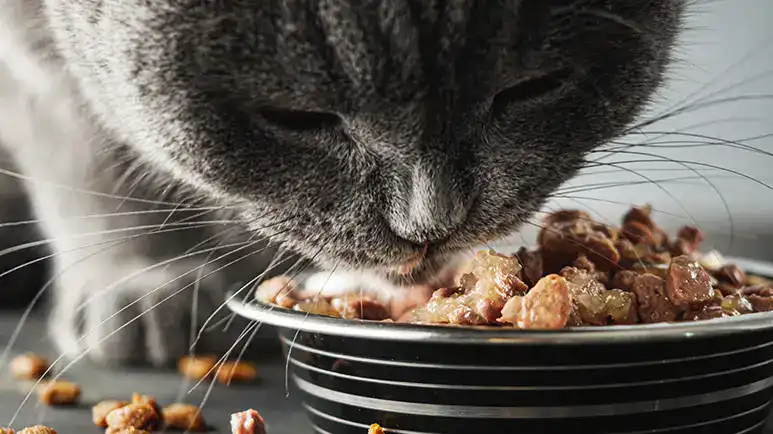
What Happens If a Cat Eats Something Spicy?
A cat that tastes spicy food will likely react immediately to the burning sensation. Some cats spit the food out, while others swallow it quickly to escape the discomfort. Either reaction may be followed by drooling, head shaking, or drinking excessive water.
If your cat swallows the spicy ingredient, they may later experience nausea, loose stools, or abdominal discomfort. Fortunately, true toxicity from capsaicin is rare because a cat would need to consume a very large amount relative to its body weight.
Mild symptoms usually resolve once the irritating compound works through their system. However, if vomiting persists or your cat becomes lethargic, always contact your veterinarian.

Can My Cat Eat These Spicy Ingredients?
Many common spices and seasonings may be found in your kitchen. Here’s how each of them affects cats:
Cayenne Pepper
Cayenne is not poisonous, but even small amounts can cause burning, eye irritation, and discomfort. It’s commonly used in sprays meant to repel cats.
Jalapeños
Jalapeños contain high levels of capsaicin, especially in the seeds. They can cause stomach upset, vomiting, and diarrhea. Cats should never be given jalapeño-seasoned food.

Hot Sauce
Hot sauces such as sriracha and tabasco are extremely irritating for cats. A single lick may cause pain, and larger amounts can lead to digestive distress.
Pepperoni
Although pepperoni contains meat, it is seasoned with garlic, salt, and red pepper — all of which can be harmful to cats. High sodium levels alone make it unsafe.
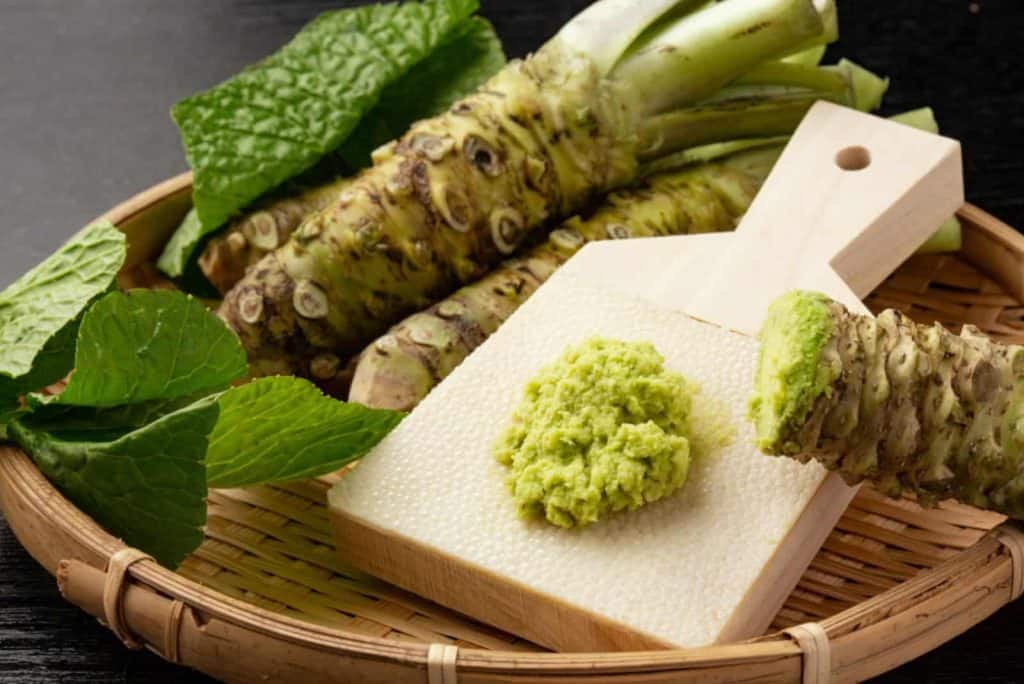
Wasabi
Whether real or imitation, wasabi contains compounds that irritate a cat’s mouth and may lead to stomach upset. Most cats dislike the sensation and avoid it after one try.
Ginger
Small amounts of ginger are generally safe and sometimes used to soothe nausea. However, too much can cause digestive upset.
Cinnamon
Cinnamon contains coumarin, a compound that can irritate the stomach when consumed in larger amounts. Cats should not be fed cinnamon-heavy dishes.
Nutmeg
Nutmeg contains myristicin, which is toxic to cats and may cause hallucinations, increased heart rate, and severe gastrointestinal distress. Keep nutmeg and pumpkin spice blends far away from your cat.
Should Spicy Food Be Part of a Cat’s Diet?
A natural feline diet contains no spicy ingredients. Wild cats survive on freshly caught prey, not seasoned foods. Domesticated cats have the same biological needs: high protein, moderate fat, and minimal carbohydrates.
Because sweet and spicy flavors are irrelevant to their nutritional requirements, cats do not have taste receptors for sweetness, and they are not physiologically prepared to handle spicy ingredients.

I’m Chris, a lifelong cat lover and rescue advocate based in Austin, Texas. What started with one scruffy shelter cat ten years ago turned into a mission — sharing the stories of cats who got their second chance. I believe every rescue cat has a tale worth telling, and I’m here to tell them. When I’m not writing, I’m probably being ignored by my own three rescues