

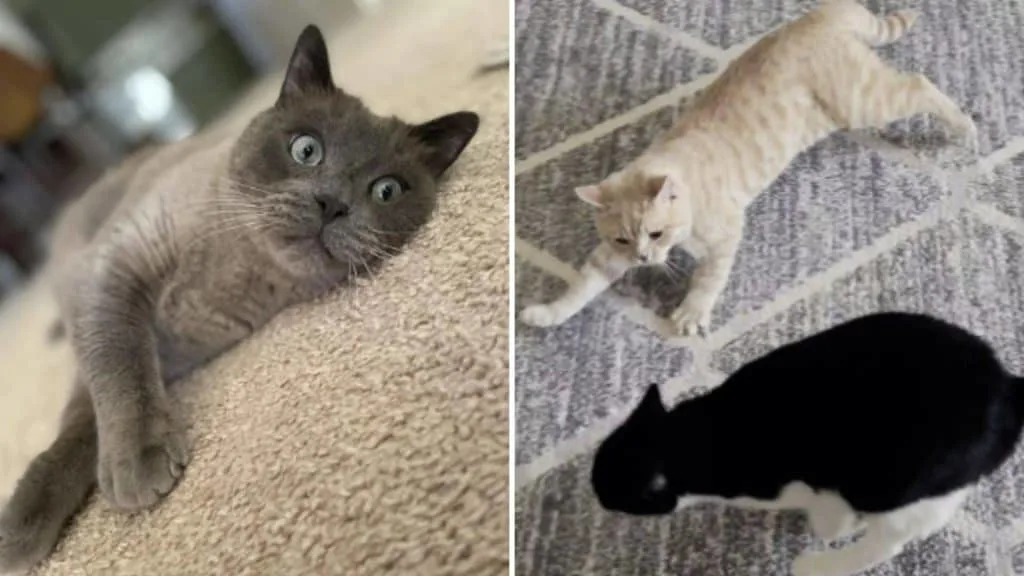
Most long-time cat parents have witnessed that unforgettable moment when a calm, sleepy cat suddenly bolts through the hallway as if it remembered an urgent appointment. If you have more than one cat, the chaos can be even more dramatic. Those late-night sprints may interrupt your sleep, but they often leave you laughing once the surprise wears off.
Many owners wonder what sparks these wild bursts of energy. While the behavior seems odd to us, it has clear meaning from a cat’s point of view. As feline expert Pam Johnson-Bennett reminds us, even the strangest cat behavior serves a purpose. When energy builds up with nowhere to go, cats release it all at once—often at the most inconvenient hour.
What Exactly Happens During Zoomies?
One moment your feline companion is resting peacefully. The next, they shoot down the hallway like a cartoon character. This shift appears sudden, yet it’s usually the result of hours of light dozing followed by deeper sleep. Cats conserve energy throughout the day, and when that energy needs an outlet, the “zoomies” begin.
Sitting still mid zoomies for a quick pic
byu/2happycats incatpictures
Kittens, adults, and even senior cats can experience these fast, frantic episodes. Veterinarians refer to them as Frenetic Random Activity Periods, but most cat parents simply know them as zoomies. While the cause isn’t fully understood, several well-supported theories help explain why they occur so frequently.
1. Playful Energy Bursts
A great deal of zoomies come from pure, joyful playfulness. Many behaviorists believe that cats use these bursts as a natural way to exercise their bodies and stimulate their minds. Happy cats often express that joy by running, jumping, or darting around corners.
When you see your cat racing with bright eyes and a loose, relaxed posture, you’re likely witnessing healthy play behavior. They may not be chasing anything in particular, but they’re certainly enjoying themselves.
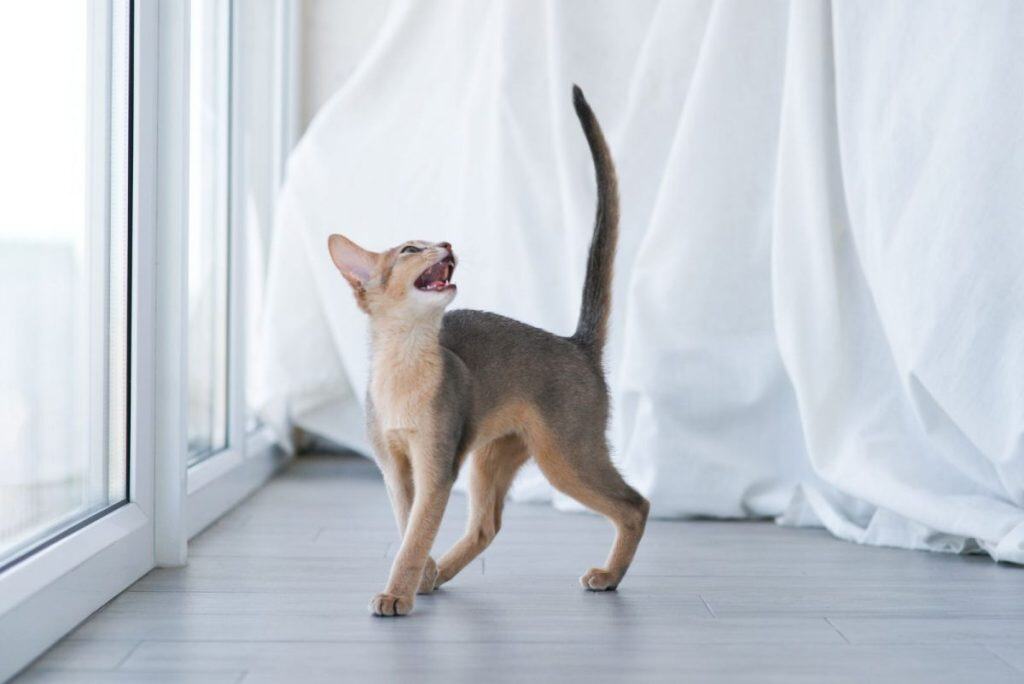
2. Zoomies After the Litter Box
A surprising number of cats sprint away after using the litter box. This can look funny, but it may suggest mild discomfort. Cats are vulnerable while toileting and may feel a strong need to escape the area quickly.
A cramped or dirty litter box can cause anxiety. Even mild constipation or digestive irritation can make a cat eager to run. If your cat consistently zooms away from the litter box with an uneasy posture, consider adjusting the box setup or consulting your veterinarian.
3. Instinctive Hunting Behavior
A cat’s instinct plays a large role in zoomies. In the wild, felines conserve energy until a potential meal appears. They rest quietly, then burst into action when prey moves. That stored-up instinct survives in our indoor companions.
When a house cat wakes from a long nap, the “hunt” sometimes begins immediately. Toys, shadows, or even your socks become imaginary prey, and the chase is on. These instinctive behaviors remind us that our gentle companions still hold the heart of a hunter.
Beach zoomies
by inZoomies
4. Health Issues That Trigger Restlessness
Although zoomies are usually harmless, certain medical concerns can create similar behavior. Fleas are a common cause. Their bites can irritate the skin and make a cat dash around to escape the sensation.
Pain can also trigger sudden running. An ache from an injury or illness may frighten a cat, causing them to move rapidly in an attempt to “outrun” the discomfort. Since cats hide pain well, these episodes may be one of the few clues that something is wrong.
When zoomies appear alongside unusual meowing, hiding, limping, or changes in appetite, it’s wise to contact a veterinarian for a full evaluation.
When Zoomies Are Most Likely to Happen
Cats can have zoomies at any time. Even so, many owners notice that these episodes occur most often in the evening or during the early morning hours. Cats are naturally crepuscular, meaning they’re most active at dawn and dusk. Their wild ancestors hunted during these hours because prey was most available.
Indoor cats no longer need to hunt for food, but their internal clock still follows this rhythm. As a result, many cats become restless just when their human families are settling down for the night.
Some, like mine, choose the early morning hours for their most enthusiastic running sessions. My household has experienced more 3 a.m. stampedes than I care to admit!
Pam Johnson-Bennett explains that when cats don’t get enough stimulation during the day, that unused energy builds up. Eventually, the pent-up energy must be released—and often the release is loud, fast, and thoroughly disruptive.
Helping Your Cat Manage Their Energy
Most zoomies are completely normal and require no intervention. A cat who appears happy and relaxed during and after the episode is simply expressing natural behavior. However, some situations call for more attention.
If your cat seems frightened, unusually tense, or uncomfortable before or after zoomies, take note. Hiding, growling, or sudden mood changes suggest something deeper may be happening. Tracking these signs helps you provide your veterinarian with meaningful information.
Environmental triggers can also influence zoomies. A stressful noise, a new pet, or even boredom can amplify your cat’s energy bursts. Observing patterns in your cat’s behavior will help you understand what prompts these episodes.
5 seconds to zoomies…
byu/Fraisinette74 incatpictures
The Importance of Daily Activity
Providing regular enrichment is one of the best ways to reduce nighttime zoomies. Interactive play mimics natural hunting behavior and helps your cat release energy in a controlled and enjoyable way.
Use wand toys, feather teasers, or soft strings to encourage your cat to chase and pounce. Always allow your cat to “catch” the toy occasionally so the game feels rewarding. Many cats also enjoy puzzle feeders, small stuffed toys, or rolling balls.
A short but energetic play session—about 30 seconds to a minute of active movement—gives your cat a healthy outlet.
Offering a small treat afterward creates a positive routine your cat will look forward to. Beyond physical benefits, these shared moments strengthen the bond between you and your feline companion.
Zoomy cat. Jack.
byu/Frost-Flame incats
Embrace the Joy of Zoomies
Understanding zoomies helps transform frustration into appreciation. These sudden sprints are part of a cat’s natural rhythm, serving physical, emotional, and instinctive needs.
While they can sometimes indicate discomfort, most zoomies are simply joyful expressions of energy.
With thoughtful playtime, a comfortable environment, and attentive care, you can support your cat’s well-being—and maybe even enjoy a few laughs along the way.
After all, life with cats is full of surprises, and their spirited moments make our homes a little more lively and a lot more lovable.
Cat toy zoomies!
byu/konnichiw0t inZoomies

I’m Chris, a lifelong cat lover and rescue advocate based in Austin, Texas. What started with one scruffy shelter cat ten years ago turned into a mission — sharing the stories of cats who got their second chance. I believe every rescue cat has a tale worth telling, and I’m here to tell them. When I’m not writing, I’m probably being ignored by my own three rescues